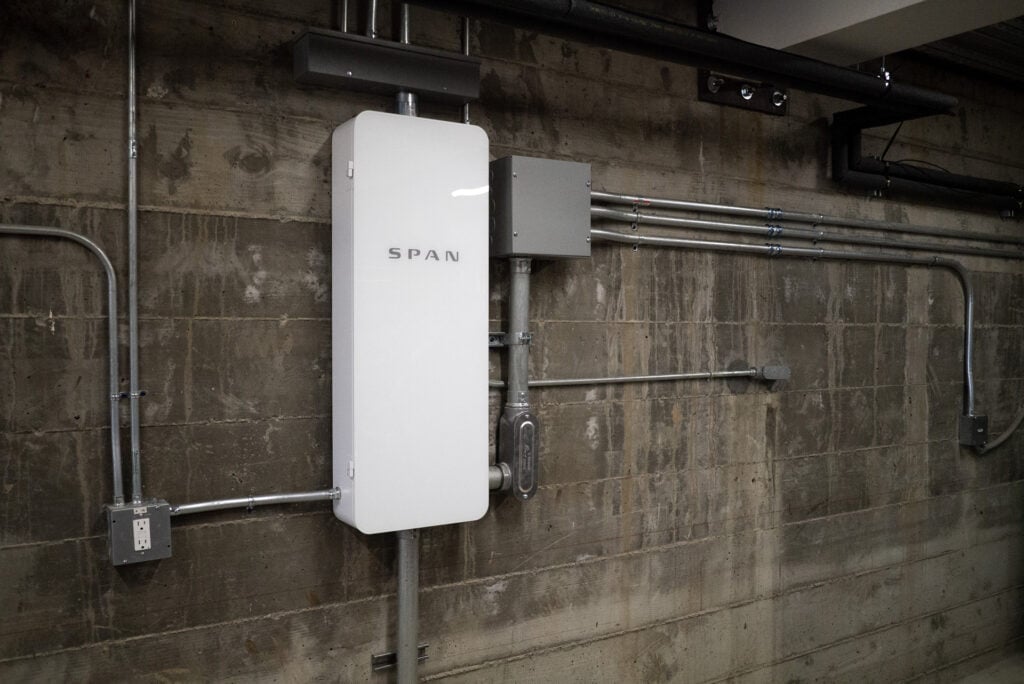
A circuit breaker is designed to shut off power when something isn’t right, helping to prevent electrical fires, appliance damage, or worse. When it trips repeatedly, it’s your home’s way of telling you there’s a problem that needs attention.
Ignoring a tripped breaker can lead to overheated wires, loss of power to important appliances, or even a complete system failure. Whether the issue is a faulty appliance, aging wiring, or an overloaded panel, the safest and most effective fix often requires professional help. In this guide, you’ll learn why circuit breakers trip, how to troubleshoot the issue, and when it’s time to call an electrician.
What Are Circuit Breakers and Why Do They Trip?
A circuit breaker is a safety device located inside your home’s electrical panel. It monitors the flow of electricity through individual circuits, each of which powers a specific section of your home, like a group of outlets in the kitchen or the lights in a bedroom. Each circuit has a fixed capacity, measured in amps, and is designed to handle only a certain amount of electrical load.
When everything is working properly, power flows through hot wires to your outlets and appliances and returns through neutral wires. The circuit breaker allows this flow to continue uninterrupted. But when something goes wrong, the breaker shuts off (trips) to protect the circuit from overheating, catching fire, or damaging equipment.
What Are The Common Reasons a Breaker Keeps Tripping?

When a breaker keeps tripping, there’s always an underlying cause. Identifying the reason is key to fixing the issue safely.
Circuit Overload
An overloaded circuit is the most frequent cause of tripping. It happens when too many appliances or devices are running on the same circuit. For example, using a microwave, toaster, and coffee maker on the same kitchen outlet can push the circuit past its limit. When that happens, the breaker begins tripping frequently to prevent the wiring from overheating.
Short Circuit
A short circuit occurs when hot and hot, or hot and neutral, wires touch, creating a direct path for electricity with almost no resistance. This causes an instant surge that the breaker reacts to by shutting down the circuit. You may also hear a pop or see scorch marks near the outlet when this happens.
Ground Fault
Similar to a short circuit, a ground fault occurs when a hot wire touches a grounded part of the system, like the metal housing of an appliance or the ground wire itself. Ground faults are especially dangerous in wet areas like kitchens, bathrooms, and outdoor spaces. Many of these circuits are protected by ground fault circuit interrupters (GFCI) or outlets that trip instantly to prevent shock.
Aging or Faulty Appliances
Older appliances with worn internal appliance wiring or damaged cords can cause irregular current flow, which may trip the breaker. Even a newer appliance can trip the breaker if it draws too much electric current on startup or has an internal fault.
Wiring Issues
Loose wire connections, damaged insulation, or outdated wiring can contribute to repeated breaker trips. Vibration, corrosion, or past DIY repairs may leave wires exposed or improperly connected inside walls or the junction switch box.
Breaker or Panel Problems
Sometimes the breaker is the problem. Breakers can wear out over time and trip more easily than they should. If your electrical panel is outdated or doesn’t have enough capacity for your home’s current needs, it may also contribute to frequent tripping.
Troubleshooting Steps to Safely Test the Tripped Circuit
If your breaker keeps tripping, there are a few simple steps you can take before calling an electrician. These checks can help you identify whether the problem is caused by something you’re plugging in, or if it runs deeper.
- Turn off the breaker and unplug everything. Locate the tripped circuit breaker in your panel and switch it to the OFF position. Then unplug all devices and appliances connected to outlets on that circuit. This clears the load and helps isolate the cause.
- Check nearby GFCI outlets. If the tripping breaker is tied to a bathroom, kitchen, garage, or outdoor area, look for any GFCI outlets; these have “TEST” and “RESET” buttons. Press the RESET button. A tripped GFCI can sometimes interrupt electrical power and trip the breaker.
- Reset the breaker. With everything unplugged, switch the breaker back to the ON position. If it stays on, that suggests the issue might be with a device or appliance, not the wiring or breaker itself.
- Plug devices in one at a time. Slowly reconnect your appliances and devices one at a time. If the breaker trips after plugging in a specific item, that device may be faulty or drawing too much power.
- Move high-power appliances to another circuit. If multiple large appliances (like a microwave and coffee maker) are on the same circuit, try plugging one into a different outlet on another circuit. This helps balance the load and may stop the breaker from tripping.
- Look for signs of overheating. Check outlets, cords, and plugs for any burnt smells, warm surfaces, black marks, or melted plastic. These are signs of an electrical problem that shouldn’t be ignored.
- Stop if the breaker trips immediately. If the breaker trips again right after being reset, even with nothing plugged in, do not try again. A frequently tripping circuit breaker could indicate a short circuit or ground fault in the wiring, and it’s time to call a licensed electrician.
When to Call a Professional About a Breaker That Keeps Tripping

While basic troubleshooting can help identify simple issues, some electrical problems go beyond what a homeowner can safely address. If any of the following apply, it’s time to call a licensed electrician:
- The breaker trips immediately after being reset. This usually indicates a short circuit, ground fault, or serious wiring issue that requires professional tools and expertise to diagnose safely.
- There’s a burning smell, warmth, or discoloration near outlets or the panel. These are signs of overheated wires or damaged connections. Using the circuit in this condition can lead to a fire.
- You’ve unplugged everything, and it still trips. If nothing is plugged in and the breaker won’t stay on, the problem likely lies in the wiring or the breaker itself, not your devices.
- You hear buzzing, crackling, or see sparks. Electrical systems should be silent. Sounds like these usually mean arcing or a loose wire behind the wall.
- You’re relying on extension cords or power strips regularly. This suggests your system doesn’t have enough outlets or electrical circuits to handle your household’s needs. Overloading is more likely in this situation.
- Your home has aluminum or cloth wiring. Older wiring types, like knob and tube wiring, are more prone to loose connections, overheating, and failure. These systems may not safely support modern electrical loads.
- The breaker has already been replaced and still trips. If a new breaker didn’t solve the problem, the fault is likely in the circuit itself and requires professional testing and repair.
If you notice any of these signs, don’t wait. Continuing to reset a tripping breaker without addressing the cause can increase the risk of shock, fire hazard, or further damage.
How a Licensed Electrician Solves the Problem
When a breaker keeps tripping and basic troubleshooting doesn’t reveal the cause, a licensed electrician can step in with the tools and training needed to find and fix the issue safely.
Thorough Diagnostic Testing
Electricians begin by inspecting the affected circuit using specialized tools that allow them to pinpoint whether the problem lies with the wiring, the breaker, or something else entirely, without guesswork. This may include:
- Infrared scanners to detect heat buildup behind walls
- Voltage and load testers to measure how much electrical current is flowing and whether it’s within safe limits
- Insulation testers to check for damaged, exposed, or corroded wires that could cause an electrical short or ground fault
Identifying Hidden Wiring Issues
Loose connections, deteriorated insulation, or incorrectly wired junction boxes often go unnoticed during visual inspection. A professional will trace the entire circuit, looking for hidden risks that could cause repeated circuit breaker trips or even electrical fires over time.
Replacing Faulty Breakers or Upgrading the Panel
If the breaker is old or defective, it may trip easily or fail to trip at all. Electricians can replace a bad circuit breaker or, in older homes, recommend upgrading the entire electrical panel if it’s outdated or undersized for modern needs.
In many older Seattle homes, panels weren’t designed for today’s high-demand appliances like induction cooktops, home office equipment, or EV chargers. Adding dedicated circuits or upgrading the panel can eliminate overloads and reduce tripping.
Ensuring Code Compliance and Safety
Beyond circuit breaker repairs, a professional will ensure that all electrical work meets current safety codes. That includes securing wiring inside walls, properly grounding circuits, and balancing loads to prevent future issues.
Preventing Future Tripping Issues
Once the immediate problem is fixed, there are simple steps you can take to prevent your breakers from tripping again. These tips help keep your electrical system running safely and reduce the chance of future interruptions.
- Avoid overloading circuits: Spread out high-wattage appliances like space heaters, hair dryers, and microwaves across different outlets and rooms. Don’t plug multiple heavy-duty devices into the same power strip or outlet.
- Don’t rely on extension cords: Extension cords are useful temporarily, but they shouldn’t be used as a permanent solution. If you’re constantly using them, your home likely needs more outlets or dedicated circuits.
- Test and reset GFCI outlets monthly: GFCI outlets protect against electrical shock in kitchens, bathrooms, garages, and outdoor spaces. Press the “TEST” and then the “RESET” button monthly to make sure they’re working properly.
- Schedule regular electrical inspections: An annual inspection by a licensed electrician can catch minor electrical issues before they become major problems. This is especially important in older homes or homes with outdated wiring.
- Install whole-home surge protection: Power surges from lightning strikes, grid issues, or even large appliances turning on can damage sensitive electronics and trip breakers. A whole-home surge protector installed at your panel helps prevent these interruptions and protects your equipment.
- Upgrade outdated wiring or panels: If your home still uses aluminum or cloth-insulated wiring, or if your panel is more than 30 years old, consider upgrading. Modern wiring and panels are safer, more efficient, and better suited to handle today’s energy demands.
Keeping Your Electrical System Safe and Reliable
If a breaker in your home keeps tripping, it’s a warning sign that something in your system isn’t working the way it should. While small fixes like unplugging devices can sometimes solve the problem, repeated tripping often points to deeper issues that need professional attention.
A licensed electrician can help you find the root cause, whether it’s a worn-out breaker, outdated wiring, or a panel that’s no longer keeping up with your home’s power demands. Repairs made to code improve safety, efficiency, and long-term reliability. If you’re in the Seattle area and need help diagnosing or repairing a tripping breaker, our team is just a call away. Get in touch today to schedule a free estimate.