

Seattle Home Generator Installation
You’re at home, relaxing in front of the TV, when suddenly, the screen goes black. So does your entire room. In this case, having a home generator can be a real lifesaver — and not only in a figurative sense. With a backup system like a home generator, you can maintain heat during a winter storm or keep medications that need refrigeration, like insulin, at the proper temperature when your backup power system supports your refrigerator.
Determining the right home generator for your home and installing it properly requires the expertise of a licensed residential electrician. Mirsky Electric helps Seattle-area homeowners plan for reliable backup power. Our electricians can assess your home’s electrical system, discuss your power needs, and help determine what installation work your generator requires.
 Bohdan N.

 I had the chance to work with this electrical company and speak directly with the owner. He came across as thoughtful, knowledgeable, and very reasonable, and he has a strong team behind him. It says a lot when employees stay with a company for many years. That usually reflects a healthy work environment and a high level of experience and skill within the team. I'd definitely recommend them for any electrical project. - 10/07/2026

 J. V.
 Mark O.
 Mark O.
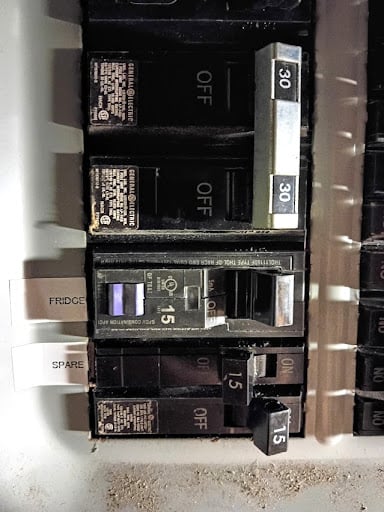
Excellent service. Job is now complete; a new line was installed for our kitchen. It was per code, with GFCI grounding and a GFCI outlet and a new GFCI breaker was installed. (see photo). Good value, reasonable pricing. Mirsky requested the permit, and after the job was completed, the Seattle City inspector was very satisfied with Mirshy's work. - 7/16/2026
 Toni V.

 mitchell k.
 Ben W.
 Andrew D.

 Michael C.
 randall w.
well worth the money. completely upgraded our master bedroom. Seth was totally professional and efficient. Mirsky is not the cheapest but we would recommend them to get the job done right without hassles. - 12/26/2025
 Rob M.
Home Generator Installation Services
Choosing a generator is only part of preparing for a power outage. Your home also needs the right electrical connections and equipment to use that backup power safely.
Our team members can perform the electrical work involved in installing a backup generator, including assessing your existing electrical panel, planning connections, and integrating compatible equipment with your home’s electrical system. We’ll recommend a generator that matches your needs and your home’s setup, while explaining everything we’re doing in simple, accessible terms that make you feel included in the process.
When properly installed, a generator can supply the power you need without creating hazards for people in your household or utility workers. With safety uppermost in mind, we’ll look at your home’s electrical setup to determine how to install the generator while minimizing disruptions to your daily routine.
Types of Home Generators
There’s no single kind of generator that works for every home. Generators come in different sizes and configurations, and the best choice for your Seattle home depends on several factors, including how much power you need and how often you expect to use it. After assessing your home and discussing your needs, we can help you determine which type of generator makes the most sense.
There are two main types of home generators: standby and portable. The biggest difference is how they’re installed and operated, but capacity is another important consideration.
Depending on the model, either type can power a few essential appliances or electrical circuits, while larger standby generators can supply electricity to most or all of your home.

Standby Generators
A standby generator is permanently installed outside your home and connects to your electrical system through appropriate transfer equipment. Many models start automatically when utility power fails and switch back when power returns.
Standby generators are a good option for homeowners who want backup power without having to set up a portable unit during an outage. Depending on the generator’s capacity and configuration, a standby system can power selected circuits or much of the home.
Portable Generators
Portable generators can provide backup power for selected appliances and devices. They’re generally less permanent than standby systems and require more hands-on operation, making them a practical option for homeowners who need occasional backup power rather than an automatic system.
The amount of power a portable generator can supply depends on its capacity. Some models can run a few essential appliances, while others can support more equipment. You’ll need to consider which items you want to power during an outage when choosing a model.

Home Generator Fuel Types
Home generators use different fuel sources, and the options available depend on the model. Common choices include gasoline, propane, natural gas, and dual- or tri-fuel systems.
Gasoline
Gasoline-powered generators use the same type of fuel as most passenger vehicles. Many portable generators run on gasoline, which must be stored and handled safely.
Propane
Propane generators use liquefied petroleum gas (LPG) as their fuel source. Depending on the model, they may use portable propane tanks or connect to a larger supply.
Natural Gas
Natural gas generators connect to a natural gas supply. This fuel option is commonly available with permanently installed standby generators.
Dual-Fuel and Tri-Fuel
Dual-fuel generators can operate on two fuel types, often gasoline and propane. Tri-fuel models offer a third option, typically natural gas, giving homeowners more flexibility in how they power their generator.
What to Consider When Choosing a Home Generator
Bigger isn’t always better. That holds true in a lot of areas of life, including selecting a home generator. When you talk to an electrician about adding a generator to your property, they’ll likely walk you through a few core considerations.
Power needs: Decide which appliances and systems you want to run during an outage. Powering a few essential circuits requires less capacity than running most of your home.
- Generator size: Your electrician will need to account for the electricity your appliances use while running, as well as the extra power some require when starting up.
- Automatic vs. manual operation: Standby generators can start automatically when the power goes out, so you don’t have to venture outside in the rain, wind, or cold. Portable generators generally require more hands-on operation. However, a manual setup can make sense if you only need to power a few essentials occasionally and don’t mind setting up your generator when needed. Portable generators also tend to cost less upfront than permanently installed standby systems.
- Fuel supply: Consider which fuel types are available, how you’ll maintain a supply during an extended outage, and how long the generator can run.
- Installation requirements: Your electrician will look at your electrical panel, transfer equipment, potential placement locations, and applicable code requirements when planning the installation. Depending on the system, electrical permits may also be required.
The Mirsky Electric Generator Installation Process
At Mirsky Electric, transparency is one of our core values. We want our clients to understand why we’re doing what we’re doing, making the process as straightforward and stress-free as possible. When you work with our team, here’s what the installation process might look like.
Step 1: Assess Your Home's Electrical Needs
We'll discuss your backup power goals and review the relevant parts of your home's electrical system. This helps us determine the capacity and installation requirements for integrating your new generator with the rest of your system.
Step 2: Plan the Electrical Installation
The generator and your home's electrical equipment need to work together safely. Depending on the system, the project may involve transfer equipment, dedicated wiring, panel modifications, and other electrical work.
Step 3: Complete the Installation and Safety Checks
Once we've established an installation plan, we'll ensure our electrical work follows applicable requirements and the generator manufacturer's instructions. We'll test the system and check the connections to confirm it's ready for its intended use.
Get Started With Home Generator Installation in Seattle
You don’t have to wait until the next major outage leaves you stuck in the cold — or with a fridge full of spoiling groceries — to think about backup power. Installing a home generator can help keep you and your loved ones safe, fed, and warm during a power outage. You’ll want a team of residential electricians who are thorough and precise in their work and knowledgeable about the needs of Seattle homes.
Mirsky Electric can evaluate your home’s electrical needs and plan the installation work required for your backup power system.
Contact Mirsky Electric today for a free estimate on your home generator project.
FAQs About Home Generators
What size generator do I need for my home?
It depends on which appliances and electrical systems you want to power at the same time. A generator for a few essential circuits will have different capacity requirements from one intended to power most of the home. An electrician can assess your electrical loads and identify the appropriate installation requirements.
Can a generator power my entire home?
Yes, a properly sized and configured generator can power most or all of a home’s electrical loads. The generator must have enough capacity for the equipment you plan to run, including the startup demands of larger appliances. Some installations also use load management to prevent too many high-demand appliances from running at once.
Can I connect a portable generator to my home’s electrical panel?
A portable generator can supply selected household circuits through an appropriately designed connection and transfer equipment. Never plug a generator into a regular wall outlet to feed electricity into your home’s wiring. Improper connections can cause backfeeding, creating a serious hazard for utility workers and others.
How often does a home generator need maintenance?
Maintenance schedules vary by generator type and manufacturer. Follow the manufacturer’s instructions for routine inspections, exercise cycles, oil and filter changes, and other servicing. Regular maintenance is especially important for standby generators because you may need them to start automatically after an outage.