Power surges can happen in any home, often without warning. These sudden spikes in voltage may last only a fraction of a second, but they can cause serious damage to appliances, electronics, and even your home’s electrical system. Whole-home surge protection is designed to stop these electrical surges at the source, protecting every device connected to your main breaker panel. By installing one, homeowners can safeguard valuable electronics, extend the life of appliances, and avoid costly repairs or replacements.
This guide explains what causes power surges, how a whole-house surge protector works, the different types of surge protection devices available, common myths surrounding surge protection, and more.
What Causes Power Surges?
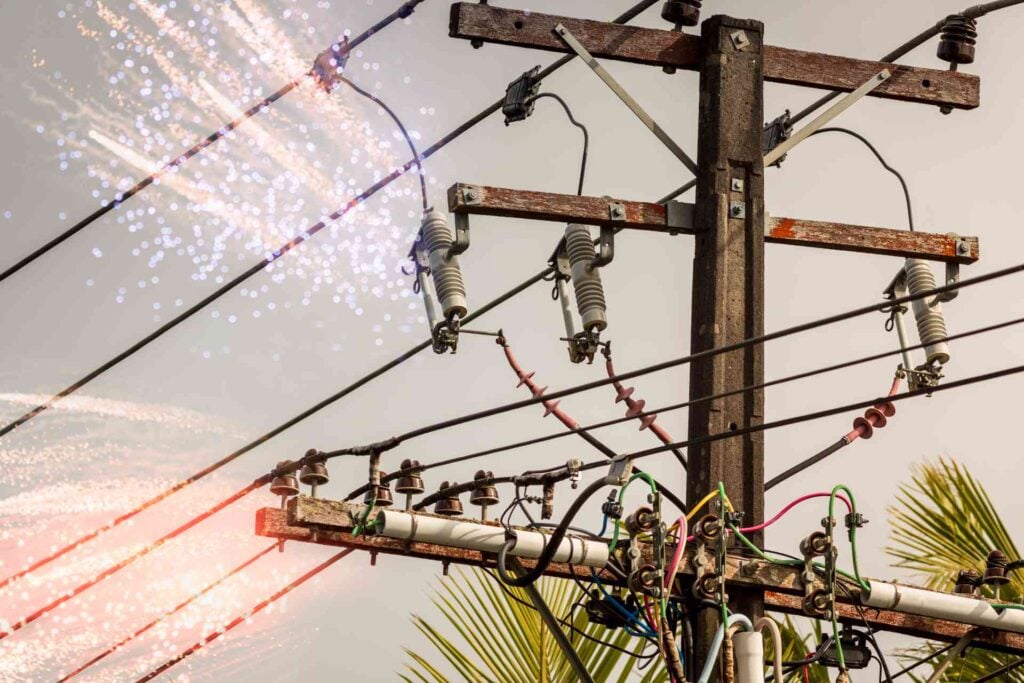
A power surge happens when the flow of electricity is suddenly interrupted and then starts again, or when something sends electricity flowing back into the system. Think of it like plumbing: a surge is similar to a sudden spike in water pressure or water flowing backward into the pipes, stressing everything connected to them. These surges push more voltage through your wiring than it was designed to handle, creating risks for anything plugged in. Common causes include:
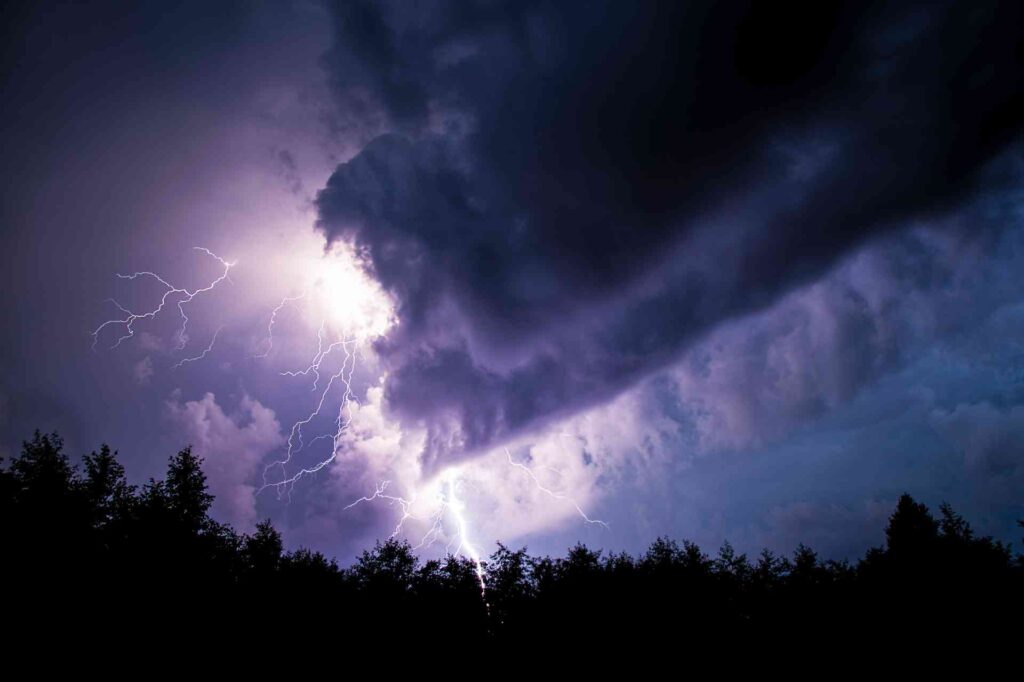
- Lightning strikes can send a massive surge through power lines and into a home, even if the strike isn’t direct.
- Utility grid fluctuations occur when the power company switches between grids or restores power after an outage, creating sudden spikes.
- Large appliances cycling on and off, such as air conditioners and refrigerators, can cause small surges each time they start or stop. This happens because the sudden demand for power briefly disrupts the steady flow of electricity
- Every day, minor surges happen frequently, often going unnoticed but slowly causing cumulative damage to sensitive devices over time.
- Downed power lines from storms, accidents, or falling trees can send dangerous external power surges into nearby homes.
- Faulty wiring inside the home may create irregular current flow that results in small but damaging surges.
- Power-hungry tools and equipment used in garages or workshops can overload circuits and trigger electrical issues.
Whole-house surge protectors are designed to guard against all of these scenarios, from rare but severe lightning strikes to the frequent, smaller surges that can eventually damage or destroy electronic devices and shorten the lifespan of appliances.
How Does a Whole-House Surge Protector Work?
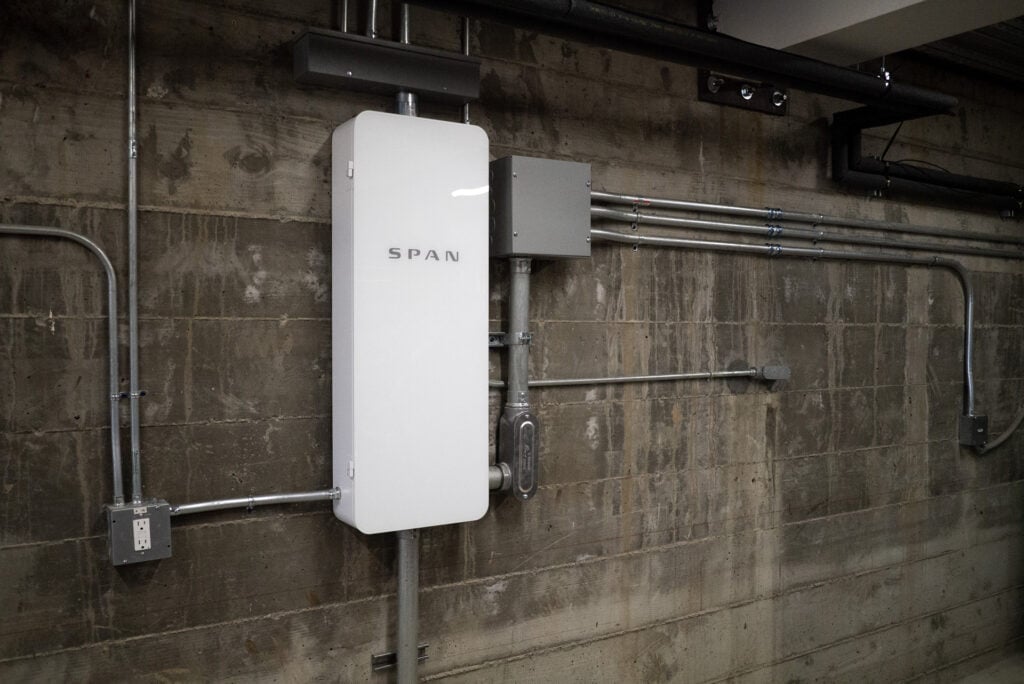
A whole-house surge protector is installed directly into your home’s main electrical panel, where power enters your home. By sitting at this central point, it protects every circuit and outlet in the home at once.
When excess voltage from a surge tries to pass through the panel, the protector reacts instantly, diverting excess voltage away from your home’s wiring and into the ground, where it can safely dissipate. The core of this surge protection system is often a component called a metal oxide varistor (MOV). A MOV senses when voltage exceeds a safe level and absorbs or redirects the excess before it can reach your home’s electrical devices.
The system doesn’t interfere with the normal electrical flow of your lights, devices, and appliances. It only activates when excessive voltage rises above safe levels, acting as a shield against both major surges and the small, repeated spikes that gradually shorten the lifespan of circuit boards and other sensitive components.
How Is a Whole-House Surge Protector Different Than Breakers and Fuses?
At first glance, breakers, fuses, and surge protectors may seem like they do the same job — keeping your home safe from electrical problems. In reality, each plays a different role, and together they create a comprehensive protection system.
- Breakers and fuses protect against too much current flowing through a circuit. If a circuit is overloaded or a short circuit occurs, a breaker will trip or a fuse will blow, cutting off power to prevent overheating and fire.
- Surge protection devices work differently. Instead of reacting to too much current, they react to sudden spikes in voltage. When a surge happens, the protector diverts that extra electricity into the ground before it can harm your wiring or devices. Some models also include indicator lights that show whether the unit is actively protecting your system.
Working together, breakers, fuses, and surge protectors create layered safety. The surge protector shields against dangerous voltage spikes, while the breakers and fuses step in when current flow threatens to overheat wiring.
Types of Whole-House Surge Protectors
Not all surge protectors are the same. Whole-home systems are categorized based on where they are installed and the type of protection they provide. The three main types are:
- Type 1 surge protectors are installed where electricity first enters your home, often mounted outside near the electric meter or just inside at the main service panel. They block large external surges before they reach your home’s electrical system, such as those caused by lightning strikes or utility grid switching. Some models can stop surges in the range of tens of thousands of volts.
- Type 2 surge protectors are installed directly at the main electrical panel. Type 2 protectors are the most common choice for residential homes, as they protect against both external surges that slip past the utility side and internal surges caused by appliances cycling on and off. Their effectiveness is often measured by clamping voltage, the maximum voltage a surge protector lets through before blocking excess electricity, and units with lower clamping voltages provide stronger defense for sensitive equipment.
- Type 3 surge protectors include things like power strip surge protectors, which protect individual electronics. They are designed to supplement, not replace, whole-home protection and work best when paired with whole-home protectors, like Type 1 or Type 2 units.
Together, these types of home surge protective devices can create a layered defense, with the whole-house unit guarding against most voltage spikes and smaller point-of-use devices acting as a final shield for sensitive equipment, like computers or entertainment systems.
Benefits of Whole-Home Surge Protection
Installing a whole-house surge protector provides more than peace of mind. It delivers practical protection that homeowners can see in both the short and long term.
- Protects appliances and electronics by blocking damaging voltage spikes before they reach items like refrigerators, washing machines, computers, and TVs.
- Prevents costly repairs or replacements, since even a single strong surge can destroy high-value devices or systems, such as HVAC units. This helps reduce the risk of surge damage to your most valuable electronics.
- Extends the life of equipment by reducing the wear caused by smaller, everyday surges that gradually weaken internal components and lead to hidden problems with circuit boards.
- Supports smart home technology where sensitive devices like routers, speakers, and thermostats are particularly vulnerable to surges.
- Provides whole-home coverage so every outlet, switch, and circuit benefits from a layer of defense, in addition to point-of-use devices that guard what is plugged into them.
- Improves electrical system reliability by limiting surges, which reduces overall stress on your home’s wiring and circuits.
- Adds value to the home since built-in surge protection can be appealing to potential buyers, especially in storm-prone areas.
- It may reduce insurance premiums as some insurers recognize surge protection as a way to lower the risk of electrical damage.
While there is an initial cost for installation, many homeowners see long-term savings by avoiding expensive replacements and repairs. Whole-house units also offer added protection for critical electronics compared to relying on plug-in devices alone.
A surge protector does not eliminate the need for good habits, like unplugging electronics during severe storms, but it adds a powerful level of defense that most homes would otherwise lack.
Signs You May Need Surge Protection

While every home can benefit from surge protection, there are some situations where it becomes especially important. Signs that your home may need a whole-house surge protector include:
- Frequent storms or unstable utility power increase the chance of large external surges entering the home.
- Many smart appliances and electronics, such as TVs, gaming consoles, smart thermostats, and computers that are more sensitive to voltage fluctuations and vulnerable to cumulative damage.
- Flickering lights or tripped breakers may signal irregular power flow or small surges happening inside the home.
- Unexplained damage to devices like routers or televisions failing sooner than expected without an obvious cause, often linked to hidden surge damage.
- Older wiring or electrical systems may not handle small surges as effectively as updated systems.
- Expensive electronics or HVAC systems could cost thousands to repair or replace if damaged by a surge.
- Frequent power outages or utility switching, where power restoration often brings with it sudden spikes in voltage.
- Home offices or remote work setups where protecting critical electronics such as computers, networking equipment, and other devices is essential to daily life.
If any of these issues sound familiar, whole-house surge protection can provide the peace of mind that your appliances, electronics, and home electrical system are shielded from unexpected voltage spikes.
Protect Your Home with Professional Surge Protection
Whole-house surge protectors are most effective when they are properly installed and connected to a well-grounded electrical system. Because they tie directly into the main electrical panel, installation is not a do-it-yourself project. A licensed electrician ensures the unit is matched to your home’s needs, set up safely, and ready to guard against sudden voltage spikes.
In Seattle, installing a whole-house surge protector in new electrical panels is now a code requirement. Following the adoption of the 2020 National Electrical Code (NEC), all new homes and panel replacements must include a surge protective device (SPD) at the main service panel.
At Mirsky Electric, we provide expert surge protection services that help homeowners protect appliances, electronics, and the entire electrical system from costly damage. If you want lasting protection for your home, contact us today to schedule a professional surge protection estimate. Our team installs and maintains whole-house surge protectors with the same honesty, integrity, and efficiency that guide all of our work.