Extension cords, power strips, and surge protectors all play a role in how electricity is used throughout a home. However, they are designed for different purposes and offer different levels of protection. Choosing the right option affects how safely power is delivered and how well electronics and appliances are protected over time.
As homes rely more on computers, smart devices, and appliances with electronic controls, understanding these differences matters. Some solutions are temporary, others are for everyday use, and only a few reduce the impact of electrical surges.
This article will help you make an informed decision about the right solution for your needs by explaining how extension cords, power strips, and surge protectors are meant to be used, where their limitations begin, and when it makes sense to move beyond plug-in solutions to protect an entire home.
Extension Cords, Power Strips, and Surge Protectors: What Each One Does
Most electrical accessories fall into one of three categories based on what they are designed to solve: distance, access, or protection. Extension cords address how far power needs to travel, power strips make it easier to plug various devices into one wall outlet, and surge protectors protect equipment from voltage spikes.
Extension Cords
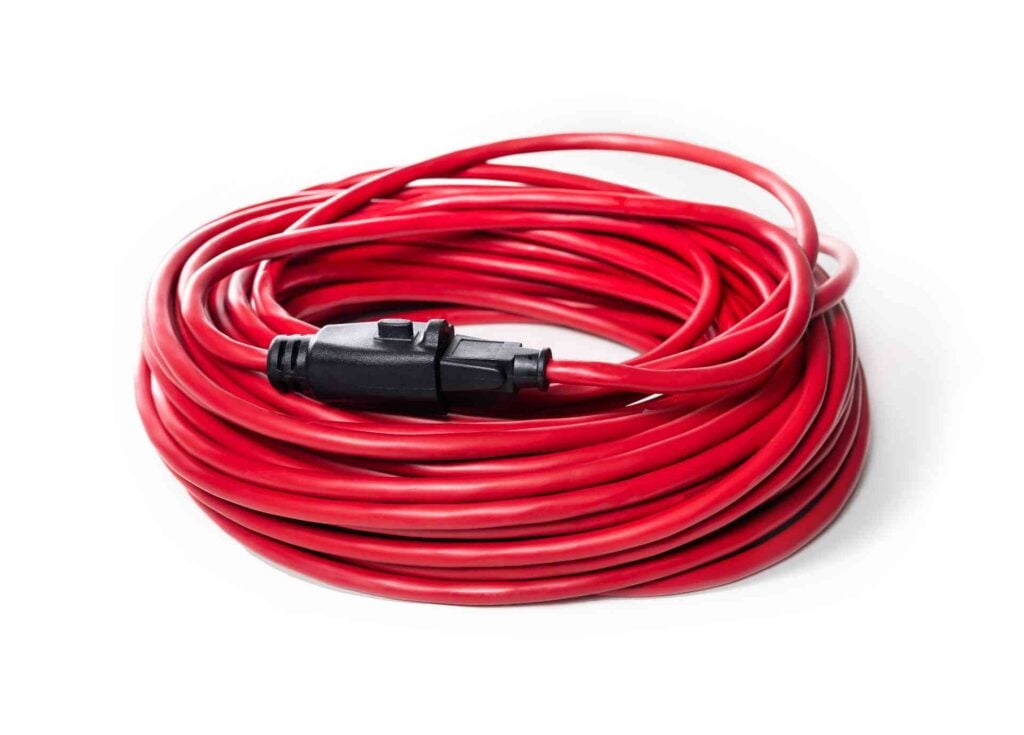
Extension cords are designed to extend the reach of a single electrical outlet, delivering power to one device or a small number of devices temporarily. They do not add capacity to a circuit and do not provide any form of electrical or surge protection.
Power Strips
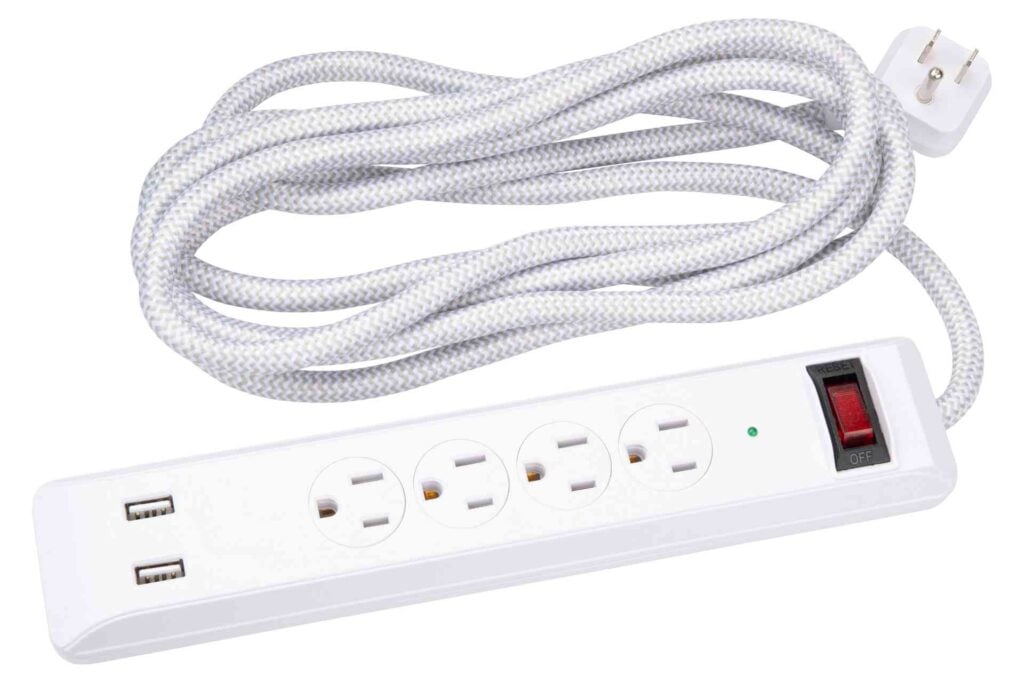
Power strips provide multiple outlets from a single receptacle, essentially functioning as outlet expanders. However, they do not include surge protection. While many products are casually referred to as power strips, any device that includes surge protection is considered a surge protector, even if it looks identical to a basic strip.
Surge Protectors
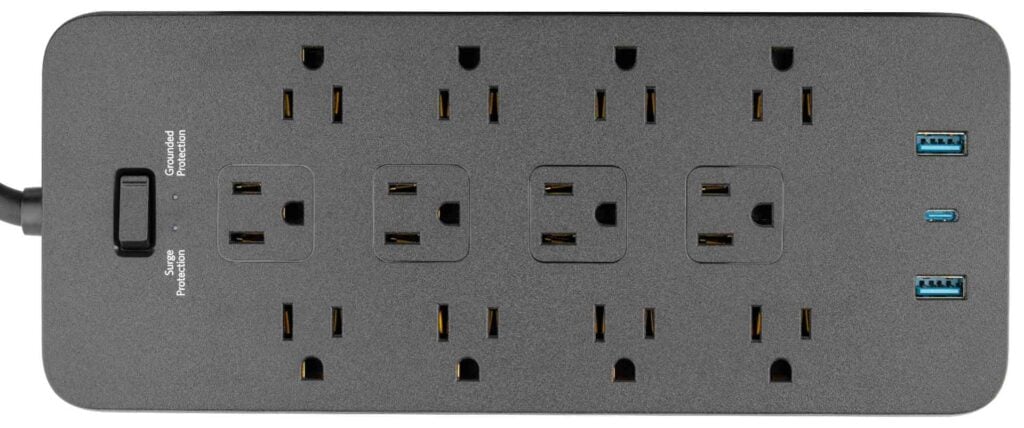
Surge protectors protect connected devices from voltage spikes. They may look like power strips, but they include internal components that redirect excess voltage away from electronics during a surge. This added protection makes surge protectors appropriate for computers, televisions, networking equipment, and other sensitive electronics.
Key Differences at a Glance
Once the basic purpose of each option is clear, the differences come down to how much energy they are designed to handle and the amount of protection they provide. The table below highlights these differences side by side to make it easier to choose the right option for a given situation.
| Feature | Extension Cord | Power Strip | Surge Protector |
|---|---|---|---|
| Primary purpose | Extend reach from an outlet | Provide multiple outlets | Protect devices from voltage spikes |
| Number of devices supported | One device or limited use | Multiple low-load devices | Multiple devices, typically electronics |
| Protection level | None | None | Moderate |
| Surge protection | No | No | Yes |
| Overload protection | No | Not unless specified | Often included |
| Impact on sensitive electronics | No protection | No protection | Designed to protect |
| Intended length of use | Temporary power solution | Short- to medium-term solution | Ongoing protection solution |
| Best for | Lamps, tools, seasonal equipment | Small electronics in one location | Computers, TVs, home office equipment |
When to Use an Extension Cord
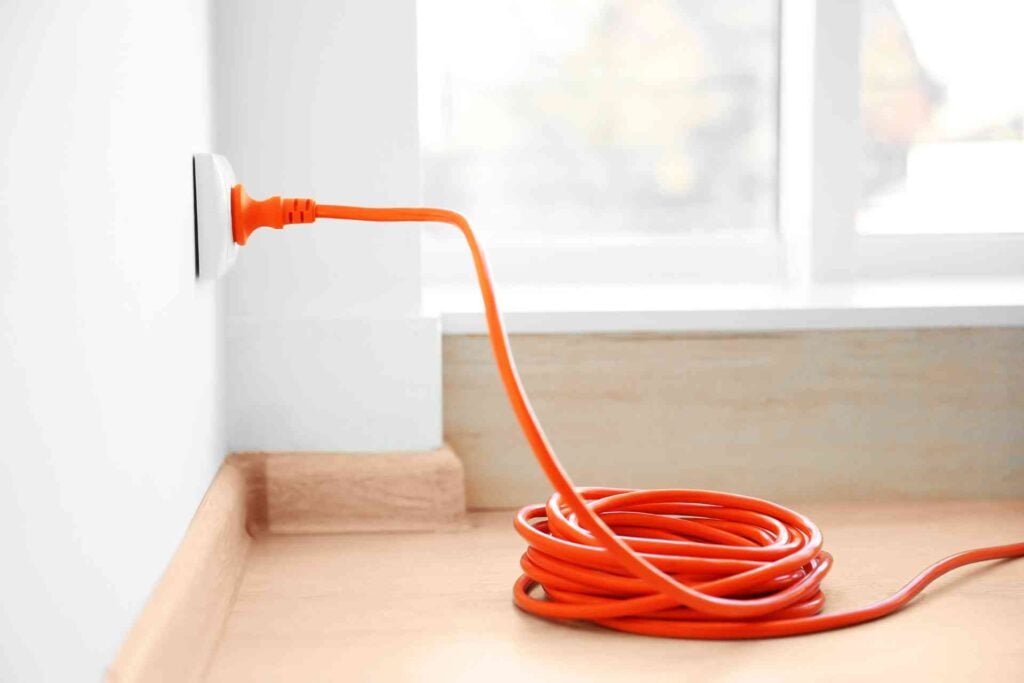
Extension cords temporarily extend the reach of an electrical outlet when a device can’t reach it. They are a practical solution for short-term needs, but they are not intended for ongoing use and do not provide any surge protection for connected devices.
Best Uses for Extension Cords
Extension cords are most appropriate in situations where power is needed briefly or seasonally, and the cord can be unplugged and removed when no longer in use.
- Home projects and maintenance tasks: Extension cords are commonly used to power tools and equipment during repairs, renovations, or routine maintenance when outlets are not conveniently located.
- Temporary lighting or small devices: Lamps or low-power devices can be connected to an extension cord when furniture placement limits access to nearby outlets.
- Seasonal or short-term equipment: Extension cords are well-suited for items such as holiday lighting or temporary displays that are only used for part of the year.
- Temporary setups: Short-term arrangements that do not justify permanent electrical changes can safely rely on an extension cord when used correctly.
Types of Extension Cords
Extension cords are manufactured for different environments and electrical demands at various lengths. Choosing the correct type is essential for safe operation.
- Indoor extension cords: These cords are designed for low-load devices in dry environments and are not suitable for outdoor or high-demand use.
- Outdoor-rated extension cords: These cords feature heavier insulation to withstand moisture, temperature changes, and physical wear in outdoor or garage settings.
- Heavy-duty extension cords: Built to handle higher electrical loads, these cords are commonly used for power tools, shop equipment, and other demanding applications.
Safety Limitations
Extension cords deliver power without any protection, which means sensitive electronics remain fully exposed to voltage fluctuations and surges. Using an undersized cord, plugging in too many devices, or leaving cords in place for extended periods can lead to overheating and increased fire hazard. Extension cords should never be run under rugs, through walls, or anywhere they can be pinched or damaged.
When an Extension Cord Is the Wrong Solution
If an extension cord becomes a permanent fixture in a room, the issue is a lack of outlets or adequate circuit capacity. In these situations, installing additional outlets or upgrading the electrical system provides a safer, more reliable solution than continuing to rely on a temporary cord that can become a safety hazard.
When to Use a Power Strip

Instead of extending reach, power strips make it possible to use multiple devices from a single outlet in one location. Used correctly, power strips add more outlets, convenience, and organization, but they do not add protection or increase the capacity of a circuit.
Best Uses for Power Strips
Power strips are most effective when using several low-load devices simultaneously from the same outlet.
- Desk and home office desk setups: Power strips work well for grouping items like monitors, printers, desk lamps, computers, and phone chargers that are used together in one workspace.
- Entertainment centers: Televisions, streaming devices, soundbars, and game consoles can be powered from a single outlet when loads are modest and managed properly.
- Small electronics in one location: Devices that draw relatively low power and are used simultaneously can be organized and powered more cleanly with a power strip.
- Areas with limited outlet access: Power strips can temporarily address outlet shortages in rooms that were not designed for today’s number of electronics.
Types of Power Strips
Not all power strips are the same, and understanding the differences helps prevent misuse and confusion.
- Basic power strips: These provide multiple outlets but no surge protection and should be treated as outlet expanders only.
- Power strips with switches or breakers: Some models include on-off switches or reset buttons, helping with convenience or overload shutoff, but not surge protection unless explicitly stated.
- Smart power strips: These strips may include additional features like timers, energy savings, or remote control options, but they still function as power strips unless they include rated surge protection.
Safety Limitations
Power strips do not increase the amount of power available on a circuit and do not protect sensitive electronics. Plugging too many devices into a power strip can overload the outlet or circuit, even if the strip itself does not trip. Daisy-chaining power strips together further increases fire risk and should be avoided.
When a Power Strip Is the Wrong Solution
If a power strip is constantly overloaded, warm to the touch, or relied on to power an entire room, it is likely compensating for inadequate outlets or circuit capacity. In these cases, adding outlets, upgrading circuits, or installing surge protection offers a safer and more reliable solution.
When to Use a Surge Protector
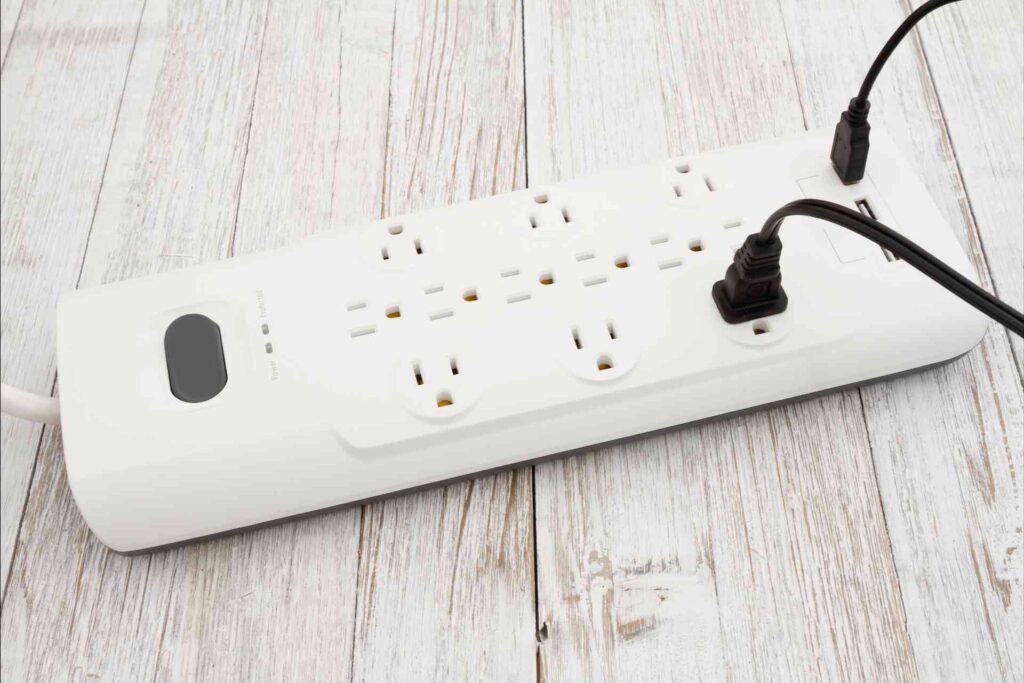
Most surge protectors are designed for situations where protecting devices is as important as powering them. Unlike extension cords and basic power strips, surge protectors help manage voltage spikes that can damage electronics over time. They are best suited for equipment that is sensitive, expensive, or remains plugged in long-term.
Best Uses for Surge Protectors
Surge protectors are appropriate anywhere voltage fluctuations or power surges can damage electronics, including:
- Home offices and workspaces: Computers, monitors, printers, modems, routers, and other delicate electronics rely on internal components that voltage spikes can damage.
- Entertainment and media setups: Televisions, audio equipment, gaming consoles, and streaming devices benefit from surge protection due to their sensitive circuitry.
- Electronics that remain plugged in: Devices that stay connected to power at all times are more exposed to everyday surges and benefit from continuous protection.
- High-value or hard-to-replace equipment: Electronics that would be costly or inconvenient to replace should always be connected through a surge protector.
Types of Surge Protectors
Surge protectors are available in several common forms and protect devices at the point of use.
- Plug-in surge protectors: These are the most common type of surge protector and often resemble power strips, but they include internal components that divert excess voltage away from electronics.
- Surge protectors with built-in breakers: Some models include reset buttons or breakers that shut off power if the electrical load becomes unsafe.
- Battery-backed surge protectors (UPS): These devices combine surge protection with short-term battery backup, allowing computers and similar equipment to shut down safely during outages.
Safety Limitations
Surge protectors reduce the impact of voltage spikes, but they do not eliminate all electrical risk. They do not increase circuit capacity, and they can still be overloaded if too many devices are plugged in. Over time, the components that provide surge protection can wear out, which means surge protectors may need to be replaced periodically to remain effective.
When a Surge Protector Is the Wrong Solution
Plug-in surge protectors are effective for protecting individual devices, but they are limited to the outlets they are connected to. If a home experiences frequent power issues, repeated equipment failures, or widespread voltage problems, relying on multiple plug-in surge protectors may not address the root cause.
In these situations, protection at the outlet level is often not enough. A broader approach that protects the electrical system as a whole can provide more consistent protection across all circuits and appliances.
Going Beyond Plug-In Surge Protection
Plug-in surge protectors are effective at protecting individual devices, but they only address part of the risk. As homes rely more on sensitive electronics and hardwired equipment, protection limited to a few outlets can leave large portions of the electrical system exposed. Moving beyond plug-in surge protection means considering solutions that protect the entire home, not just individual devices.
Whole-Home Surge Protection
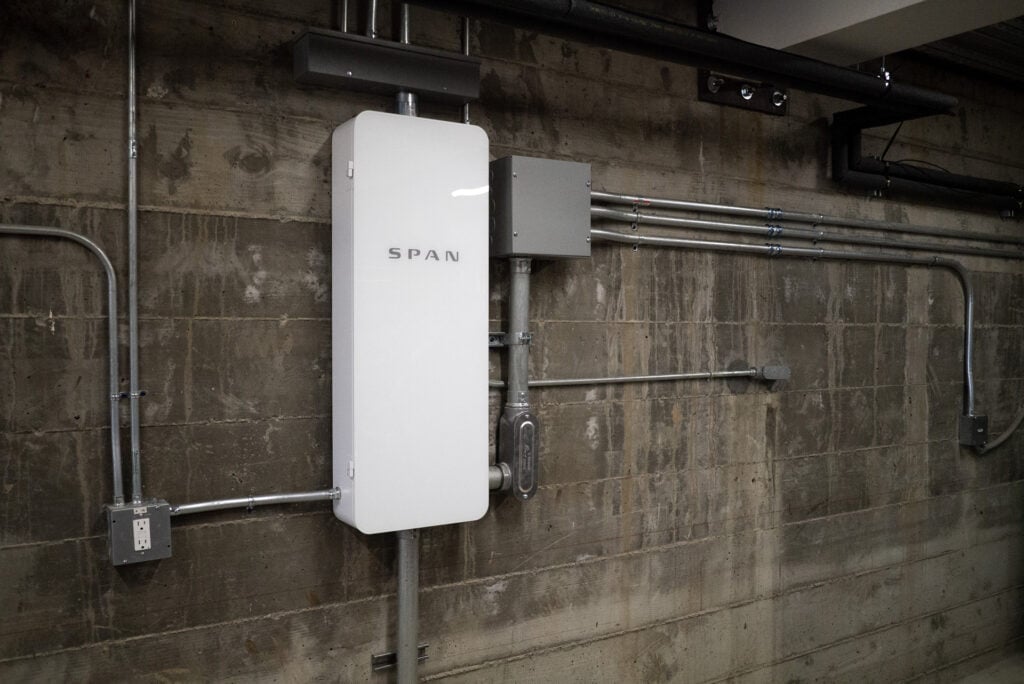
Instead of stopping surges at individual outlets, whole-home surge protectors work at the electrical panel by reducing surge energy as it enters the home before it spreads through branch circuits. This approach helps protect hardwired appliances, HVAC systems, and electronics throughout the house, including devices that are never connected to a plug-in surge protector.
Whole-home surge protection is especially valuable for modern homes with appliances and systems that rely on electronic control boards. Installation requires access to the electrical panel and proper grounding, which is why it should be handled by a licensed electrician.
Electrical Panel Capacity and Condition
In some homes, frequent electrical issues are tied to an aging or undersized electrical panel. Panels that were designed decades ago may not support today’s electrical demands, which can increase stress on circuits and make surge-related problems more likely. Upgrading or repairing a panel can improve overall system stability and support effective surge protection.
Grounding and Bonding
Proper grounding and bonding play a critical role in how electrical surges are managed. If grounding paths are inadequate or improperly connected, surge energy may not dissipate as intended. An electrician can evaluate grounding and bonding systems to ensure surge protection devices function correctly and safely.
Circuit and Outlet Improvements
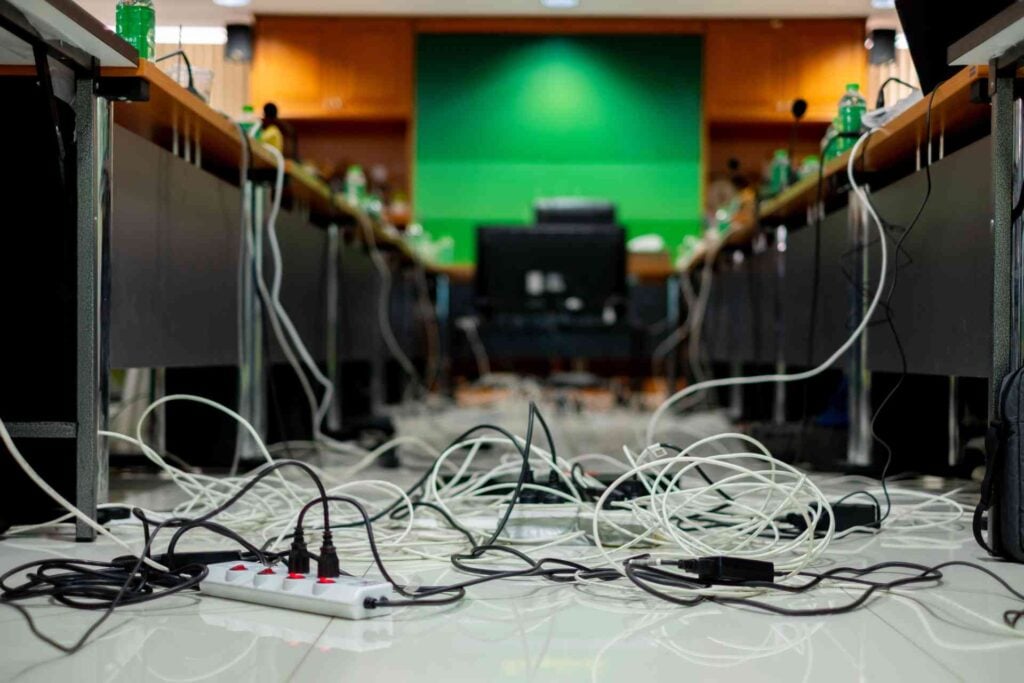
Relying heavily on power strips and extension cords often points to outlet or circuit limitations. Adding outlets, installing dedicated circuits for high-demand equipment, or redistributing electrical loads can reduce strain on the system and improve safety. While these upgrades do not replace surge protection, they work alongside it to create a more reliable electrical setup.
When to Call a Licensed Electrician for Professional Support
If extension cords or power strips have become permanent fixtures in your home, or if you are experiencing frequent breaker trips, flickering lights, or unexplained electronics failures, it is a sign that your electrical system may need attention. These issues often point to outlet shortages, overloaded circuits, panel limitations, or gaps in surge protection that temporary solutions cannot fix.
A licensed electrician can evaluate your home’s electrical system and recommend upgrades that provide additional safety and reliability to prevent ongoing problems and protect the investments inside your home.
Mirsky Electric works with homeowners throughout Seattle and the surrounding areas to provide practical, safety-focused electrical solutions. If you are ready to move beyond temporary fixes and protect your home’s electrical system, contact Mirsky Electric today to schedule a free consultation. Our residential electricians take the time to assess your system, explain your options, and install surge protection and electrical upgrades the right way.