
Seattle Wallbox Installation, Repair, and Maintenance
Wallbox installation gives Seattle homeowners a faster, more reliable way to charge an electric vehicle at home. Mirsky Electric installs, repairs, and maintains Wallbox chargers with a focus on safety, code compliance, and long-term performance, helping ensure your home charging setup works smoothly today and as your needs change. Schedule a Wallbox installation estimate or service visit today.
What Makes a Wallbox EV Charger a Smart Choice for Your Home?
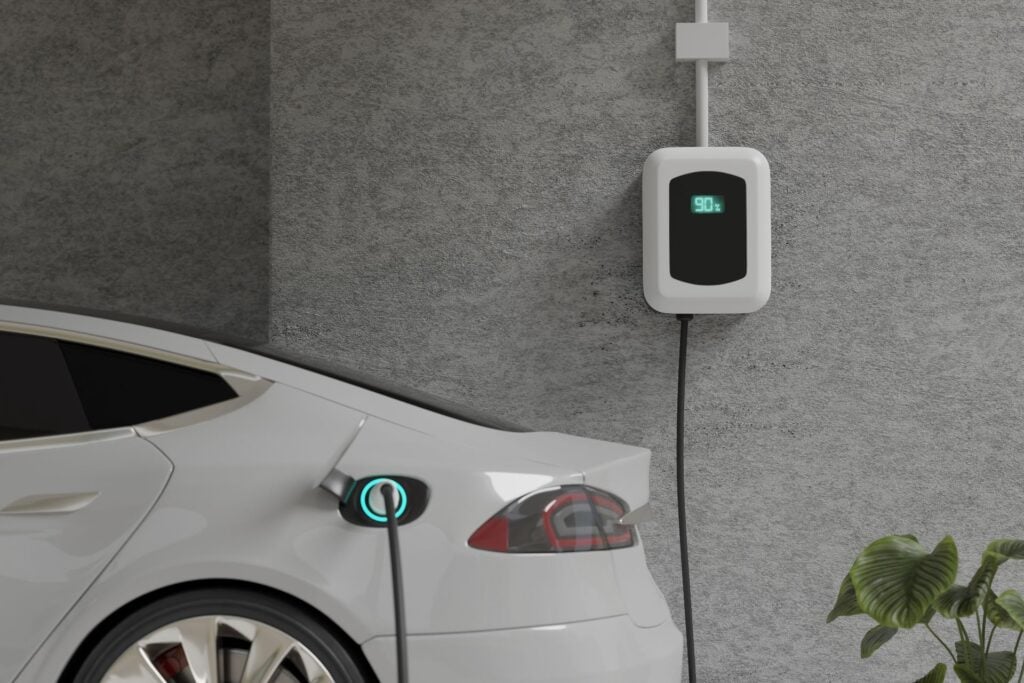
A Wallbox EV charger is a wall-mounted Level 2 charging system that uses a dedicated 240-volt circuit to deliver faster, more consistent charging than a standard outlet. Its compact design makes it well-suited for garages and exterior installations, while smart features allow homeowners to manage charging more efficiently.
Many Wallbox chargers offer app-based controls, energy monitoring, and scheduling tools that help track usage and reduce strain on a home’s electrical system. Because the charger connects directly to your electrical panel, proper circuit sizing, grounding, and breaker protection are essential for safe, reliable operation.
Professional Wallbox EV Charger Services
Mirsky Electric provides complete wallbox installation, repair, and maintenance services for Seattle homeowners, along with repair and maintenance support to keep your charger working safely and reliably. Whether you’re installing a new Wallbox unit or need help with an existing charger, our licensed electricians ensure every service is performed to current electrical codes and manufacturer requirements.
New Wallbox charger installation
Professional installation of Wallbox chargers on a dedicated 240-volt circuit ensures safe, fast, and reliable home EV charging.
Replacement of existing EV chargers
Older or incompatible charging units are removed and replaced with Wallbox chargers that meet current electrical standards.
Electrical evaluations and load calculations
A full assessment of your home’s electrical system confirms it can safely support a Wallbox charger without overloading circuits.
Dedicated 240-volt circuit installation
Properly sized wiring and breakers are installed to deliver consistent power to your Wallbox charger.
Electrical panel modifications or upgrades
Panel modifications or full upgrades are completed when additional capacity is required for EV charging.
Indoor and outdoor Wallbox installations
Wallbox chargers are installed in garages or exterior locations using weather-appropriate materials and secure mounting methods.
Wallbox charger troubleshooting and repairs
Charging interruptions, error codes, and electrical faults are identified and corrected to restore proper operation.
Preventive maintenance and safety inspections
Routine electrical inspections help reduce the risk of failure and support long-term charger performance.
Post-installation testing and system verification
Voltage, grounding, and charger performance are tested to confirm safe and correct operation.
Permit coordination and code-compliant installation
Required permits are obtained, and all work is completed to meet Seattle electrical codes and inspection requirements.
Benefits of Installing a Wallbox Charger at Home
Installing a Wallbox charger gives Seattle homeowners a faster, more reliable way to charge an electric vehicle at home while maintaining safe and efficient control over electrical usage. When installed by a licensed electrician, a Wallbox charger provides a dependable long-term charging solution that supports everyday driving and future electric vehicle ownership.
- Faster home charging speeds: A dedicated 240-volt Wallbox charger delivers significantly faster charging compared to a standard household outlet.
- Overnight vehicle charging: Consistent power allows most electric vehicles to fully recharge overnight, ensuring they are ready each morning.
- Smart charging controls: Built-in scheduling and app-based features help manage charging times and energy usage more efficiently.
- Energy monitoring capabilities: Real-time tracking offers clear insight into charging activity and overall electrical demand.
- Improved electrical safety: Proper circuit protection and professional installation reduce the risk of overheating and electrical faults.
- Reduced reliance on public charging: Reliable home charging limits the need for public or workplace charging stations.
- Long-term EV readiness: A Wallbox charger supports today’s electric vehicles while preparing the home for future EV upgrades.
Why Hire Mirsky Electric for Wallbox Installation
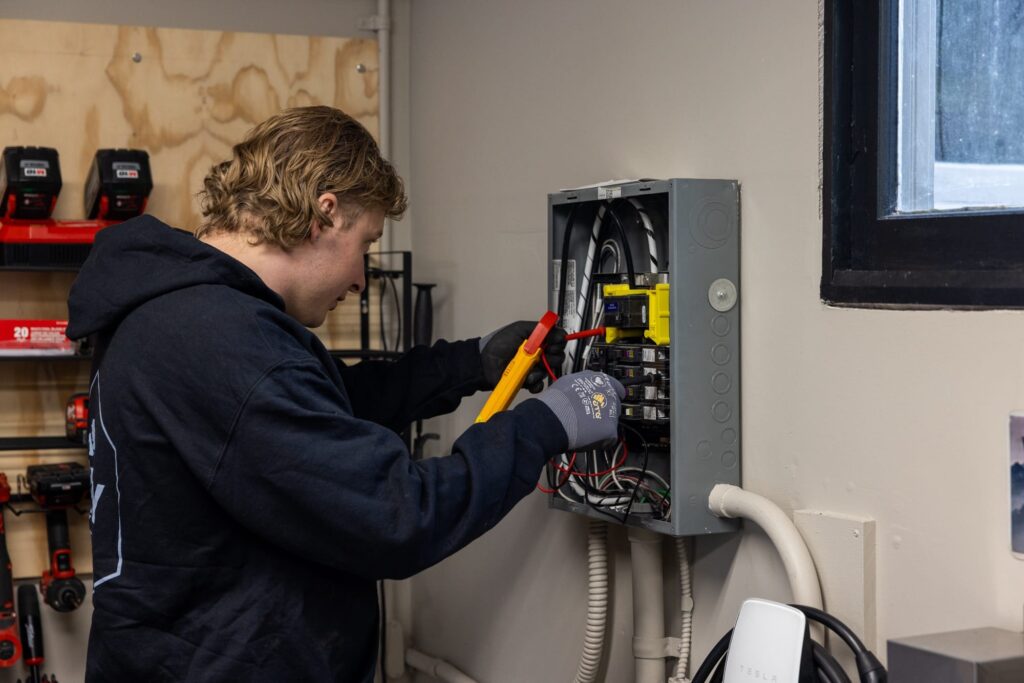
Wallbox installation requires more than basic experience with EV chargers. It requires a clear understanding of residential electrical systems, Seattle-area homes, and how additional electrical loads impact long-term safety and performance. Mirsky Electric has focused exclusively on residential electrical work since 1997, bringing the experience needed to install, repair, and maintain Wallbox chargers correctly the first time.
All work is completed by licensed, in-house electricians and never subcontracted. As a locally owned Seattle company based in Ballard, Mirsky Electric operates on clear communication, honest recommendations, and efficient project execution, ensuring Wallbox installations are safe, code-compliant, and built to last.
Our Wallbox Service Areas
Mirsky Electric provides Wallbox installation, repair, and maintenance services throughout Seattle and surrounding residential neighborhoods. Our team regularly works in a wide range of home types, from older houses to newer construction, and understands the local permitting, electrical requirements, and logistical considerations unique to the Seattle area.
- Ballard
- Magnolia
- Queen Anne
- Green Lake
- University District
- Capitol Hill
- Lake City
- Fremont
- Wallingford
- Phinney Ridge
- Ravenna
- Montlake
- Madison Park
- First Hill
- Central District
- Columbia City
- Seward Park
- Beacon Hill
- Rainier Valley
- Delridge
- White Center
Serving the Greater Seattle Area
Additional Areas We Serve
Mirsky Electric provides licensed residential electrical service to homeowners throughout the Puget Sound region. Find your city below to learn more about our services in your area.
Don’t see your city? We serve many neighboring communities across the Puget Sound region — reach out and we’ll let you know.
Schedule Your Wallbox Installation Estimate Today
If you’re considering a Wallbox charger for your home, a professional evaluation is the best place to start. Mirsky Electric offers free estimates for Wallbox installation, repair, and maintenance, giving you a clear understanding of electrical requirements, potential upgrades, and next steps before any work begins.
Schedule a free estimate to discuss your Wallbox installation and get expert guidance from a licensed Seattle electrician.
FAQs – Seattle Wallbox Installation
Do Wallbox chargers work with all electric vehicles?
Most Wallbox chargers are compatible with a wide range of electric vehicles sold in the U.S., but compatibility can vary by vehicle model and connector type.
What electrical requirements are needed for a Wallbox charger?
A Wallbox charger must be connected to a dedicated 240-volt circuit that is properly sized for both the charger and the home’s electrical capacity. Before installation, the electrical panel is evaluated to confirm adequate breaker space and available capacity, and some homes may require panel modifications or upgrades to support safe, code-compliant operation.
Can a Wallbox charger be installed outside?
Yes, many Wallbox models are designed for outdoor use, but proper placement, weather-rated materials, and secure mounting are important for long-term performance.
Can Wallbox chargers be moved if I relocate or remodel?
In many cases, a Wallbox charger can be relocated, but electrical conditions at the new location must be evaluated before reinstallation.
What causes a Wallbox charger to stop charging or show error codes?
Common causes include electrical supply issues, grounding problems, breaker trips, or communication errors that require professional diagnosis.
Does Wallbox require internet access to operate?
Basic charging can function without an internet connection, but smart features such as scheduling, monitoring, and remote controls typically require Wi-Fi or Bluetooth.
Are permits and inspections required for Wallbox installation in Seattle?
Most Wallbox installations in Seattle require an electrical permit and inspection, and the process may also involve coordination with the local utility, depending on the scope of electrical work.