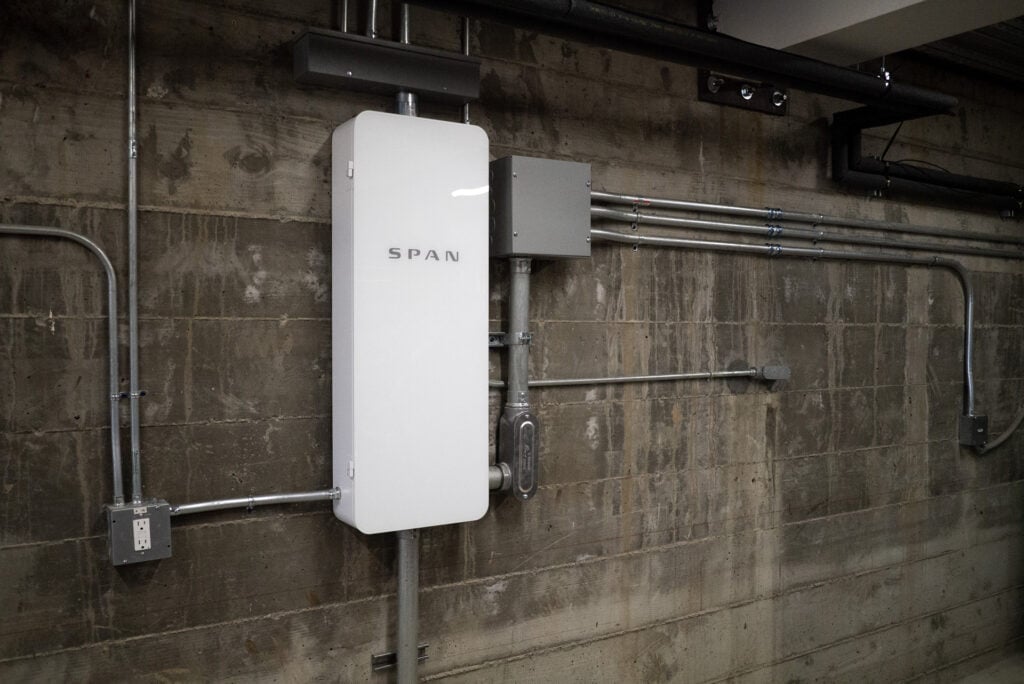
Upgrading your electrical service is one of the most effective ways to keep your home safe, efficient, and prepared for today’s power demands. If you’re dealing with an outdated electric panel, planning renovations, or adding large appliances, a service change increases capacity, reduces safety risks, and brings your system up to current electrical codes.
This guide explains what an electrical service change involves, when you may need one, how the process works, and what costs to expect. With a clear understanding of the basics, you’ll be better equipped to make informed decisions about your electrical needs and upgrading your home’s system.
What Is an Electrical Service Change?

An electrical service change involves upgrading or replacing the system that delivers electricity from the utility An electrical service change means upgrading or replacing the system that delivers electricity from the utility provider to your home. This upgrade ensures your electrical system can safely and reliably handle both current and future power demands. A typical service change includes updating several key components.
- Meter base: The meter base houses the utility meter that tracks how much electricity your home uses. During a service change, it may need upgrading to ensure compatibility with the new breaker panel. A new meter and mast (the vertical, usually metal, conduit attached to your house that serves as the entry point for electricity from the utility’s overhead power lines) improve the connection between your home and the utility grid, providing a safer and more secure power supply.
- Service panel: Often called the circuit breaker box (or fuse box in older homes), the main panel distributes power to the various circuits in your home. If it’s outdated or undersized, you may notice tripped breakers, blown fuses, or flickering lights. Replacing it with a modern or smart electrical panel increases capacity and ensures your home can safely support additional electrical loads.
- Main breaker: The main breaker is the master safety switch for your electrical system. It protects your home by shutting off power if there’s a surge or overload. Upgrading this component enhances both safety and reliability, especially as household power demands grow.
- Associated wiring: The wires connecting the meter base to the service panel may also require replacement or upsizing during a service change. These conductors carry the electrical load between components and must be properly sized to handle increased capacity, preventing overheating or other hazards.
How an Electrical Service Change Works in Seattle

An electrical service change is more complex than minor electrical repairs. It requires careful planning, permitting, and coordination to ensure everything is safe, efficient, and up to code. From consultation to completion, the process usually takes about two to four weeks.
On average, the initial assessment and permitting stage takes one to two days, followed by one to two weeks of planning the service upgrade. The actual disconnection and installation work is typically completed in one to two days, and the final inspection and power restoration add another one to two days.
Step 1: Assessment and Permitting (1 to 2 Days)
The process begins with a professional evaluation of your current electrical system. A licensed electrician will inspect the service panel, meter base, service entrance cable, and wiring to determine their condition and capacity. They’ll also confirm whether your system can support new demands, such as an EV charger or large appliances.
After the assessment, the electrician applies for the required permits. These permits ensure that the work meets current safety and compliance standards. In most cases, coordination with the local utility provider is also necessary to approve the meter location, weather head, and schedule temporary power disconnection.
Step 2: Planning the Service Upgrade (1 to 2 Weeks)
Once the permit is secured, the electrician begins planning the upgrade. This second phase includes selecting the right size and type of service panel. Most modern homes require a minimum of 200 amps to support large appliances, heating and cooling systems, hot tubs, or EV chargers. The National Electrical Code provides calculation methods to determine the proper panel size.
Step 3: Service Disconnection and Installation (1 to 2 Days)
On installation day, the utility company temporarily disconnects power so the electrician can work safely. The old service is removed, existing branch circuits are labeled for re-energizing, and the new service is installed. In many cases, temporary power is restored the same day, so you aren’t without electricity for the full 48 hours.
Step 4: Inspection and Power Restoration (1 to 2 Days)
Once installation is complete, the electrician performs initial tests to confirm that the system is wired correctly and safe for inspection. A city or local inspector then examines the work, including the meter base, panel, breakers, grounding, and bonding, to ensure compliance with local and national codes. After approval, the utility provider reconnects permanent power to the home.
At that point, the electrician conducts a final round of checks to verify that all circuits, breakers, and connections are operating properly. Once everything is confirmed safe and functional, your home is equipped with a modern electrical system ready to meet current and future demands.
Why and When to Consider an Electrical Service Change

Upgrading your electrical service is often about more than just convenience. It’s a key step in protecting your home, supporting new technology, and avoiding costly problems in the future. Here are the most common reasons why you might need a service change:
- Outdated or insufficient panels: Older homes often have panels with limited capacity for today’s power demands. These systems can lead to frequent breaker trips, flickering lights, or even safety hazards, like overheating.
- Increased power needs: Adding major appliances, installing an EV charger, a water heater, or renovating your home can overload an existing panel. A service upgrade ensures your system can handle the additional demand safely and efficiently.
- Frequent electrical problems: Buzzing sounds, burning smells, or constantly tripped breakers are signs that your system is overloaded or unsafe. These warnings may also expose your home to power surges, indicating an upgrade is necessary.
- Safety concerns: Outdated systems, such as old breakers or fuse boxes, increase the risk of electrical fires or surges. Upgrading replaces hazardous components with modern, safer alternatives that help protect your home.
- Code compliance: Electrical codes are designed to keep homes safe and reliable. If your system doesn’t meet current standards during a home inspection or insurance review, a service change may be required.
- Insurance requirements: Many insurance providers require electrical systems to meet specific safety standards. A new panel can help you stay compliant and may even lower your premiums.
- Future-proofing your home: Even if you don’t need extra capacity now, upgrading prepares your home for future needs like EV chargers, smart plugs and bulbs, smart home systems, or energy-efficient appliances. Investing early can save time and energy costs down the road.
- Home additions or remodels: Expanding your living space often requires new circuits. A service upgrade ensures your electrical system can support the added square footage.
- Solar or backup power integration: Installing solar panels, battery storage, or a standby generator may require a higher-capacity service panel.
- Resale value considerations: A modern electrical system can make your home more appealing to buyers and prevent issues from arising during the sales process.
What Does an Electrical Service Change Cost in Seattle?
The cost of an electrical service change typically falls between $5,000 and $15,000, but the exact price depends on several factors unique to each home. To give you a clearer idea of where the money goes, here’s a breakdown of the most common cost components:
| Component | Estimated Cost Range | Description & Notes |
|---|---|---|
| Electrical panel | $5,000 – $10,000+ | Higher amperage panels (200 – 400 amp panel) cost more. |
| Panel replacement or fuse-to-breaker conversion | $3,800 – $4,500+ | Updating obsolete fuse boxes or aging electrical panels. |
| Meter base upgrade | $5,000 – $8,000+ | Installing a new meter housing. |
| Wiring and breakers | $1,600 – $12,300+ | Rewiring needs, upgrades to existing circuits, and AFCI/GFCI breakers affect cost. |
| Labor | $3,400 – $15,000+ | Electrician rates typically run $250 to $400/hour. |
| Permits and inspections | $200 – $800+ | Required for legal compliance and safety approval. |
| Panel relocation | $10,000 – $20,000+ | Moving the panel within or outside the home. |
| Contingency | Variable | Covers unexpected wiring issues, surge protection, or code updates. |
What Drives the Cost Up or Down?
Several factors determine where your project will fall in the range:
- Amperage requirements: Upgrading from 100 amps to 200-amp service is common and usually costs less than increasing to a 400-amp service.
- Replacing outdated systems: Homes with old fuse boxes or obsolete panels often require more extensive (and expensive) updates, especially if you’re also adding additional circuits.
- Labor and complexity: If the installation is straightforward, labor may only add a few hundred dollars. If your current electrical panel is in a difficult location or you have complicated wiring issues, it will increase costs.
- Permits and inspections: These are mandatory and vary by location, but generally add a modest amount compared to hardware and labor.
- Extra considerations: Relocating a panel, adding new wiring, or correcting code violations in older homes can push costs toward the higher end.
While national averages provide a starting point, no two service changes are exactly alike. In some cases, homeowners may also qualify for federal tax credits when the upgrade supports clean energy adoption, such as preparing for solar panels or EV charging. The best way to understand your true costs is to schedule an assessment with a licensed electrician. A professional evaluation ensures that your budget aligns with your home’s needs and helps avoid surprises once work begins.
What’s the Difference Between a Service Change, an Electrical Panel Upgrade, and Rewiring?
Home electrical upgrades can take different forms, depending on your needs. While these terms are sometimes used interchangeably, they address separate parts of your electrical system:
- A service change upgrades the main electrical infrastructure, including the meter base, service panel, main breaker, and related wiring. This increased load capacity ensures your home can safely handle modern electrical demands.
- Rewiring focuses on the circuits and wiring inside your home. It improves the safety and reliability of the outlets, lights, and appliances that draw power from the load center.
- A panel upgrade involves replacing or expanding the electrical panel itself. This is often done when the old panel is outdated, undersized, or lacks space for additional breakers. Modern upgrades may also include safety features such as arc fault protection. While similar to a service change, upgrading your electrical panel doesn’t always include replacing the meter base, main breaker, or service entrance conductors.
In some cases, especially in older homes, more than one of these upgrades may be needed. For example, a house with an undersized panel and outdated wiring might benefit from both a service change and a rewiring project to bring the entire system up to modern standards.
Can I Do an Electrical Service Change Myself?
While some types of electrical work can be performed by homeowners, a full-service upgrade is one of the most complex and dangerous projects you could attempt. Here’s why:
- High voltage risks: Service changes involve working with live, high-voltage electrical connections. Even a minor mistake can result in severe injury, electrical fires, or permanent damage to your home.
- Code compliance and permitting: Electrical service changes must meet strict safety codes and pass inspection. Errors can cause costly delays, failed inspections, or even require the work to be redone.
- Specialized knowledge and tools: Upgrading a service panel requires in-depth expertise and professional-grade tools. Without them, it’s easy to miswire components or install the wrong panel size, creating long-term hazards.
- Utility coordination: Power must be temporarily disconnected and reconnected by the utility company. Scheduling and managing this process can be challenging without professional experience.
- Grounding system requirements: Service changes also involve updating or verifying the home’s grounding system. In many cases, electricians must install new ground rods or replace existing ones to ensure safe dissipation of electrical faults.
- Long-term safety: Improper installation can lead to chronic issues like overheating, frequent tripped breakers, or fire risks that put your household in danger.
For these reasons, hiring a licensed electrician is always the safer choice. A professional ensures your system is upgraded correctly, passes inspection, and provides the reliability your home needs for years to come.
Common Challenges and How a Specialized Residential Electrician Can Help
An electrical service upgrade is a detailed project with many moving parts. Without the right expertise, it’s easy to run into delays, failed inspections, or safety risks. Hiring a specialized residential electrician ensures the process runs smoothly and your home ends up with a safe, reliable electrical system. Here are some of the most common challenges they handle:
- Permitting and code compliance: Electrical service changes require permits and must meet strict safety standards. A professional electrician ensures the work is properly documented and passes inspection the first time.
- Managing utility coordination: Service upgrades often require scheduling with the power company to disconnect and reconnect power. An experienced electrician knows how to coordinate this process to minimize downtime.
- Upgrading older homes: Older houses may have outdated wiring layouts, limited panel space, or hidden issues behind the walls. A skilled electrician can adapt to these challenges while keeping your system safe and functional.
- Planning for future needs: Beyond your current requirements, electricians can recommend a panel size and components that will support future technology like EV charging, solar panels, or other clean energy systems.
- Handling unexpected complications: Sometimes, hidden wiring issues, code violations, or safety hazards appear during the upgrade. A licensed electrician can identify and fix these problems on the spot, ensuring the project passes review by a home inspector without delay.
Navigating Electrical Service Changes in Seattle
While the basics of a service change are the same everywhere, Seattle has additional requirements that homeowners should keep in mind. Local codes and utility coordination add extra steps that make hiring a licensed electrician especially important.
- Permitting process: Electrical service changes require permits through the City of Seattle. These permits ensure the work complies with both city regulations and national safety standards.
- Seattle City Light coordination: Power disconnection and reconnection must be scheduled with Seattle City Light. They also must approve electric meter placement, which can add time or cost if a relocation is required.
- Strict local codes: Seattle’s electrical standards are more detailed than the national average. Upgrades must meet both the National Electrical Code (NEC) and Seattle-specific requirements.
- Required inspection: After installation, a city inspector must approve the work before permanent power is restored.
- Timeline impacts: Because permits and utility scheduling take time, service changes in Seattle can take longer to complete compared to other areas.
- Older housing stock: Many Seattle homes are decades old, which often means outdated wiring, limited panel space, or other hidden issues. An experienced local electrician can anticipate these problems and avoid unnecessary delays.
Working with an electrician who regularly navigates Seattle’s permitting system and utility coordination can save you time, reduce stress, and ensure your service upgrade is completed correctly.
Speak With a Licensed Seattle Residential Electrician About Your Service Upgrade Today
Upgrading your home’s electrical service is an investment in your home’s safety, reliability, and future. Whether you’re preparing for new technology, solving persistent electrical issues, or bringing an older home up to code, having the right electrician makes all the difference.
At Mirsky Electric, we specialize in Seattle homes and understand the unique requirements of local codes, permitting, and utility coordination. Our team approaches every job with honesty, integrity, and efficiency, making the process as smooth and stress-free as possible. Contact us today to schedule a free consultation.