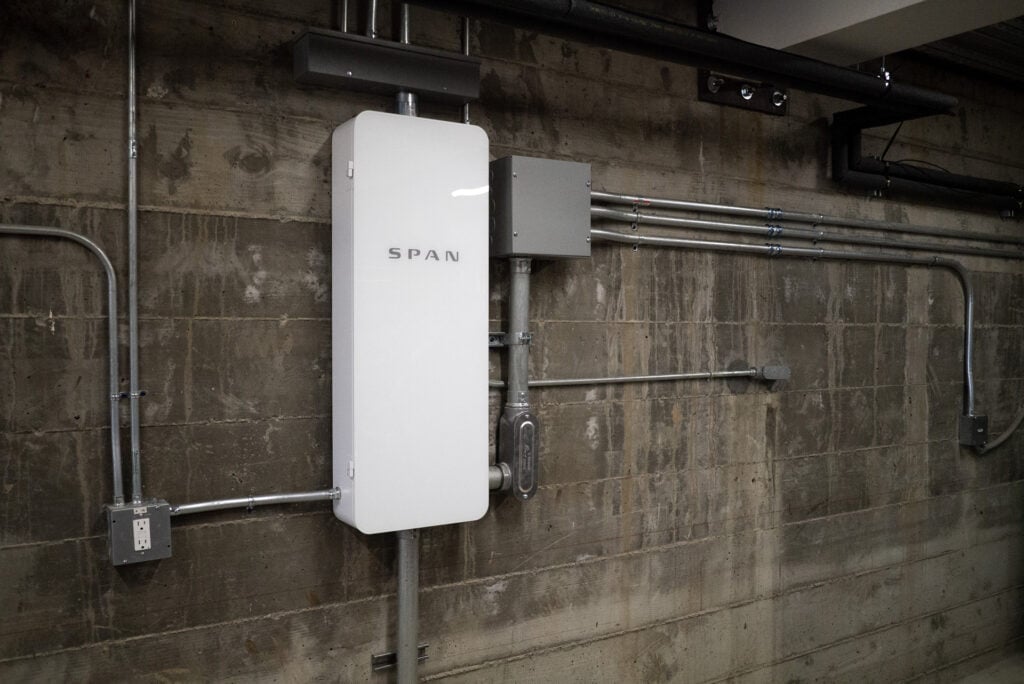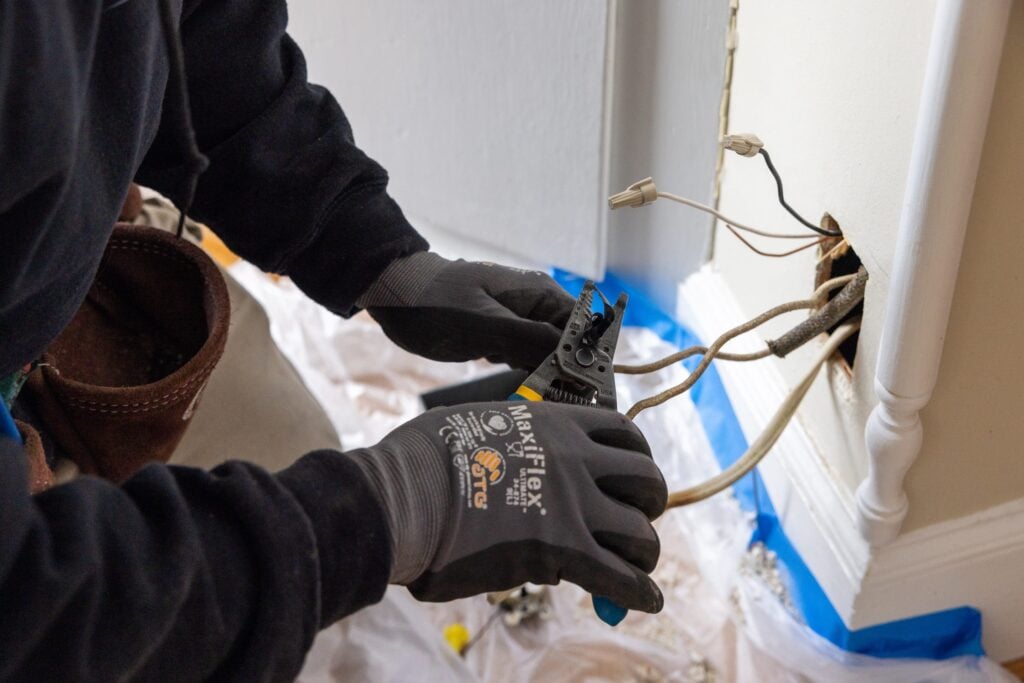
Rewiring a house is a major electrical upgrade that replaces outdated or unsafe wiring and brings a home up to modern code standards. In 2026, the cost of rewiring a house typically ranges from $8,000 to $30,000 or more nationwide, depending on house size, layout, and accessibility. In higher-cost markets like Seattle, homeowners often pay more due to labor rates, permitting requirements, and the complexity of older homes, which often have plaster walls, tighter framing cavities, and outdated wiring systems that are harder to replace.
This guide explains what those numbers really mean. You’ll see national cost averages, Seattle-specific comparisons, pricing by square footage, and a breakdown of the key factors that influence your quote. By the end, you’ll have a realistic understanding of how to budget for a full rewire, a partial upgrade, or a phased project that supports modern electrical systems.
How Much Does It Cost to Rewire a House? National vs. Seattle Pricing
In 2026, the national average cost to rewire a house typically ranges from $2 to $6 per square foot, depending on the home’s size, layout, and accessibility. For many single-family homes, that places a full rewire somewhere between $4,000 and $15,000, with simpler, single-story homes trending lower and multi-story or homes with harder-to-access wiring trending higher.
In higher-cost metropolitan areas like Seattle, rewiring projects often range from $5 to $9 per square foot, because labor and overall contractor pricing are higher than in many other parts of the country. For mid-sized homes, house costs frequently fall in the $10,000 to $30,000 range, though the final price ultimately depends on the specific conditions inside the home.
What Factors Affect the Cost to Rewire a House?

While square footage provides a useful starting point, the true cost of a home rewiring project depends on several factors inside the home. Two houses of the same size can vary by thousands of dollars based on layout, accessibility, and existing wiring. Below are the primary factors that determine where your project falls within the typical cost-per-square-foot range.
Project Size
The overall scope of work has a major impact on cost. A full-house rewire, which replaces all branch circuits and brings the system up to current code, costs significantly more than a partial upgrade. Below is a general comparison of typical 2026 pricing by project scope:
| Project Scope | National Estimate | Seattle Estimate |
|---|---|---|
| Small partial rewire (single room or limited circuits) | $3,500 – $5,000 | $4,000 – $6,500 |
| Larger partial rewiring (single floor or major remodel area) | $4,000 – $8,000 | $8,000 – $12,000 |
| Complete rewire (1,500-2,500 sq. ft.) | $8,000 – $15,000 | $7,500 – $18,500 |
| Complete rewire (3,000+ sq. ft.) | $6,000 – $18,000 | $15,000 – $35,000 |
Home Size and Layout
Larger homes require more wire, more outlets and switches, and more individual circuits that must be routed back to the electrical panel. Layout also matters. A compact, single-story home is typically faster to rewire than a multi-story home with wiring spread across levels. More linear distance and vertical routing increase labor time and material usage.
| Home Size | National Estimate ($2-$6/sq ft) | Seattle Estimate ($5-$9/sq ft) |
|---|---|---|
| 1,000 sq. ft. | $2,000 – $6,000 | $5,000 – $9,000 |
| 1,500 sq. ft. | $3,000 – $9,000 | $7,500 – $13,500 |
| 2,000 sq. ft. | $4,000 – $12,000 | $10,000 – $18,000 |
| 2,500 sq. ft. | $5,000 – $15,000 | $12,500 – $22,500 |
| 3,000 sq. ft. | $6,000 – $18,000 | $15,000 – $35,000 |
These estimates assume an entire wiring system is replaced, bringing the home up to modern electrical code standards. They do not automatically include major panel upgrades, dedicated circuits for high-load appliances, or extensive drywall repair.
Home Age and Construction Style
The age and construction style of your home directly affect labor time. Older homes often contain plaster walls, fire blocking, irregular framing, and tight wall cavities that make routing new wiring more time-consuming. In contrast, newer homes with drywall construction and predictable framing patterns are generally faster and less disruptive to rewire.
Homes built before 1970 may also contain old wiring and outdated electrical systems that require careful handling or removal, which increases labor hours. As a general rule, rewiring a home with plaster walls or limited access can increase total project costs by 10% to 25% compared to a similar-sized home with modern drywall construction. This increase is largely due to the extra labor required to route new wiring through plaster walls and tight framing cavities. In real terms, that may translate to an additional $2,000 to $5,000, depending on the size of the home and the extent of access challenges.
Wall, Ceiling, and Crawlspace Accessibility
Wiring accessibility is also one of the biggest cost variables in a rewiring project. Homes with open attics and accessible crawlspaces allow electricians to route modern wiring with minimal wall disruption, which keeps labor time lower. In these cases, projects typically stay closer to the lower end of the $2 to $6 per square foot range.
Finished basements, tight crawlspaces, limited attic access, or complex ceiling layouts increase installation time. When electricians must cut into finished walls or ceilings to route new cable, both labor and repair costs rise. Moderate wall cutting and patching can add $500 to $2,000 to a project, while more extensive drywall or plaster repair may cost $4 to $8 per square foot of affected area. In older homes with plaster walls, restoration costs can be higher.
Materials
Material costs typically account for 20% to 35% of the total cost, with labor making up the majority of the remainder. While electrical wiring itself may not seem expensive per foot, a full-house rewire requires thousands of feet of cable along with new electrical boxes, outlets, switches, circuit breakers, connectors, and ground wire components.
| Home Size | Estimated Material Cost Range |
|---|---|
| 1,000 sq. ft. | $1,200 – $2,500 |
| 1,500 sq. ft. | $1,500 – $3,000 |
| 2,000 sq. ft. | $2,000 – $4,000 |
| 2,500 sq. ft. | $2,500 – $4,500 |
| 3,000 sq. ft. | $3,000 – $6,500 |
Labor
Labor typically accounts for 60% to 75% of the total cost of an electrical rewiring job, making it the largest pricing variable. The rewiring process is time-intensive work that involves routing new cable through walls and ceilings, properly terminating devices, labeling circuits, and preparing the system for inspection.
While material costs scale fairly predictably with square footage, labor costs vary based on layout, accessibility, and regional hourly rates. Rates for a Licensed electrician generally range:
- National average: $75 – $125 per hour
- Seattle and higher-cost metros: $125 – $175+ per hour
| Home Size | Estimated Labor Hours | Estimated National Labor Cost Range | Estimated Seattle Labor Cost Range |
|---|---|---|---|
| 1,000 sq. ft. | 60 – 90 hours | $4,500 – $11,250 | $7,500 – $15,570 |
| 1,500 sq. ft. | 80 – 110 hours | $6,000 – $13,750 | $10,000 – $19,250 |
| 2,000 sq. ft. | 100 – 130 hours | $7,500 – $16,250 | $12,500 – $22,750 |
| 2,500 sq. ft. | 120 – 150 hours | $9,000 – $18,750 | $15,000 – $26,250 |
| 3,000 sq. ft. | 140 – 180+ hours | $10,500 – $22,500+ | $17,500 – $31,500 |
Permitting and Inspections
Electrical permit fees and inspection standards vary by municipality. Some cities require multiple inspections or detailed documentation, which can add administrative time and cost. Typical permitting and inspection costs include:
- Electrical permit: $75 – $300
- Plan review or project-based permit fees (where required): $200 – $900
- Inspection fees: $1 00 – $200 per inspection
In most cases, permitting and electrical inspections add $200 to $1,000+ to a rewiring project, depending on local building codes and requirements. While this is a smaller percentage of the overall investment compared to labor, permits are essential to ensure the installation meets safety standards and passes code compliance.
Additional Costs to Consider
The base rewiring costs discussed earlier cover straight branch-circuit replacement. However, many homes require additional upgrades once work begins. These items are not always necessary, but when they are, they can create major investment increases. Below is a breakdown of common additional services and their typical cost ranges.
| Service / Job | Description | National Estimate | Seattle Estimate |
|---|---|---|---|
| Electrical panel upgrade (100A-400A) | Replacing or upgrading an outdated electrical panel to increase capacity or meet current code requirements. Includes 100-amp replacements through 200-amp and larger service upgrades. | $1,000 – $6,000+ | $2,000 – $10,000+ |
| Subpanel installation | Adding a secondary distribution panel to increase available circuit space or serve an addition or separate area. | $800 – $2,500 | $1,500 – $3,500 |
| Knob and tube removal | Removing outdated knob and tube wiring before installing modern grounded branch circuits. | $3,000 – $6,000 | $5,000 – $9,000 |
| AFCI or GFCI protection upgrades | Installing required arc-fault or ground-fault protection devices to meet current safety codes. | $125 – $250 per device | $175 – $350 per device |
| Additional outlet or switch | Installing new standard outlets or switches during the rewire to improve convenience and meet modern spacing requirements. | $100 – $200 per device | $150 – $300 per device |
| Wall and ceiling repair | Repairing drywall or plaster after wiring access cuts are made. | $4 – $8 per sq. ft. (affected area) | $6 – $12 per sq. ft. (affected area) |
| Hardwired smoke & CO detectors | Installing interconnected smoke and carbon monoxide detectors required by modern code. | $150 – $400 per unit | $250 – $600 per unit |
Is Rewiring Your House Worth the Cost?
Rewiring your house is worth the cost when safety, electrical capacity, or long-term value are at stake. While it’s a significant investment upfront, there are clear situations where replacing outdated wiring becomes a practical and financially sound decision.
Safety Concerns
Rewiring is worth the cost when your existing wiring presents a safety risk. Faulty wiring can overheat, arc, or fail under load, creating conditions that may lead to electrical fires or serious hazards. Warning signs include frequent breaker trips, flickering lights, warm outlets, buzzing sounds, or a burning smell. Homes built before the 1970s may contain wiring methods that no longer meet modern safety standards and may also increase the risk of electrical shock.
Outdated Wiring
If your home has knob and tube wiring, aluminum wiring, ungrounded two-prong outlets, or an undersized service panel, rewiring often becomes a long-term solution rather than a temporary fix. These systems may still function, but they typically lack grounding, have limited circuit capacity, or create higher insurance and resale concerns due to fire hazards. Replacing them with modern copper wiring improves both safety and durability.
Renovations and Increased Demand
Rewiring is often necessary when remodeling or increasing electrical demand with modern technology. Kitchen renovations, additions, finishing basements, and conversions to electric heating frequently require new circuits. Installing electric vehicle chargers, heat pump HVAC systems, induction ranges, or tankless electric water heaters also increases load requirements. When your current system cannot safely support these upgrades, rewiring ensures your home can handle modern electrical use.
Insurance and Resale
A new wiring system can be worth the investment when it affects insurability or resale value. Some insurance carriers charge higher premiums or restrict coverage for homes with outdated wiring. Buyers may also request electrical upgrades during a home inspection. A permitted, code-compliant rewire can remove negotiation obstacles and increase buyer confidence in competitive markets.
Financing Option When Rewiring Your House
Rewiring is rarely subsidized on its own, but financial assistance may be available when electrical upgrades are required for energy-efficiency improvements or home electrification projects. Before starting a home rewiring project, homeowners should check with their state energy office and local utility providers to see whether rebates, grants, or financing programs are available.
In Washington State, some homeowners may qualify through the Home Electrification and Appliance Rebates (HEAR) Program, funded through the Climate Commitment Act. The program supports low- and moderate-income households installing high-efficiency electric equipment such as heat pumps, induction ranges, and heat pump water heaters. Electrical panel and wiring upgrades required for these installations may also qualify. Depending on income eligibility, households in participating counties such as King, Pierce, Thurston, Clark, and Yakima may receive up to 50% of project costs, with some lower-income households eligible for up to 100% of qualified costs.
If rebates are not available, homeowners commonly finance rewiring through home equity loans, lines of credit, cash-out refinancing, contractor financing programs, or personal loans. Because rewiring upgrades a core home system and may improve safety, insurability, and resale value, lenders often consider it a capital improvement rather than a discretionary expense.
How to Choose the Right Electrician for a House Rewire
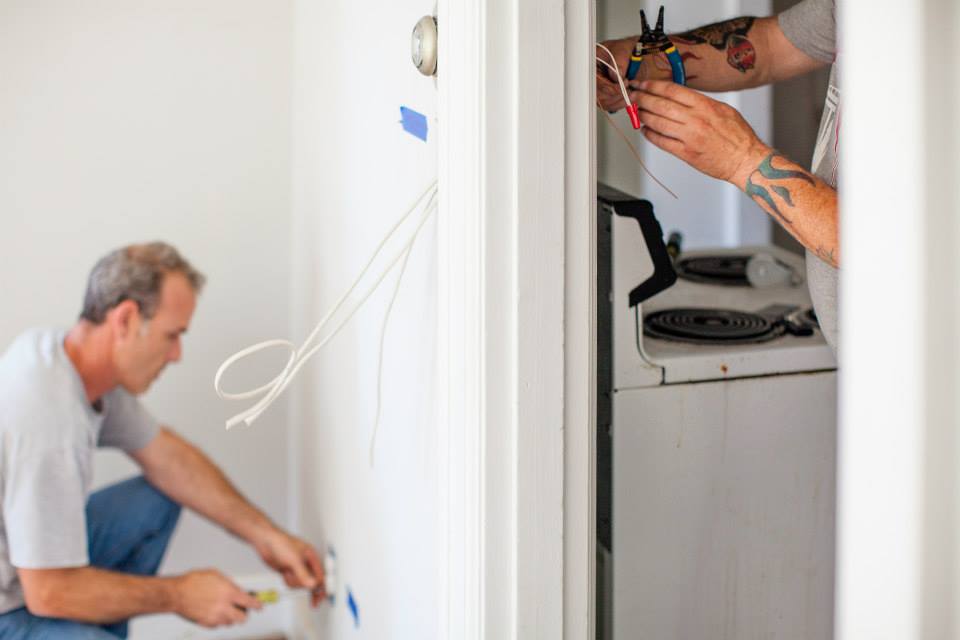
Rewiring a house is a major electrical project that affects safety, code compliance, and long-term property value. Always verify that the contractor is properly licensed and insured in your state and that they will pull the required permits and schedule inspections. A reputable electrician should provide a detailed written estimate outlining the full scope of work, including whether the project is a full or partial rewire, how many circuits are included, what materials will be installed, and what is excluded, such as drywall repair. Avoid vague proposals that provide only a lump-sum number without explaining what is covered.
It is also important to choose an electrician with experience in homes similar to yours. Older homes with plaster walls, tight crawlspaces, or outdated wiring systems require specific expertise to complete the work safely while minimizing disruption. When comparing bids, make sure each contractor is pricing the same scope of work. Large price differences can signal missing items, a lack of permitting, or lower-grade materials. Selecting a qualified electrician helps ensure the rewiring is completed safely, passes inspection, and protects your investment.
Get a Clear, Written Rewiring Estimate
Rewiring costs can vary significantly based on your home’s size, age, layout, and electrical demand. While national averages provide a useful starting point, the only way to know what your project will cost is with a detailed, in-person evaluation. A professional assessment helps determine whether you need a full rewire, a partial upgrade, or additional panel work, and ensures everything is planned to meet current Seattle electrical code requirements.
If you’re a Seattle-area homeowner considering a rewire, Mirsky Electric offers free estimates for residential electrical projects. Our licensed team will review your existing system, explain your options clearly, and provide a written proposal outlining scope, permitting, and projected costs. Scheduling a free estimate is the most accurate way to budget confidently and ensure your home’s electrical system is safe, compliant, and built for modern demand.