Electrical wiring is designed to operate safely for decades, but it doesn’t last forever. As your home ages, connections loosen, insulation deteriorates, and older electrical systems inevitably struggle to support modern appliances and electronics. Over time, faulty electrical wiring can develop as components wear down or connections degrade. These problems often develop slowly, which means homeowners may notice small warning signs before a serious electrical issue appears.
Recognizing the signs of bad wiring in your house can help you address problems early and reduce the risk of electrical fires, damaged appliances, or unexpected power loss. The following guide explains ten common warning signs that may indicate faulty wiring in your home and what steps to take if you notice them.
10 Common Signs of Bad Wiring in a House
Electrical wiring problems rarely appear all at once. In many cases, a home will show small issues at first that gradually develop into more serious warning signs of electrical trouble. These symptoms can appear in outlets, lighting, switches, or the breaker panel and may happen occasionally before becoming more frequent..
The following are some of the most common signs that a home’s electrical wiring may be deteriorating or developing problems, sometimes due to aging components or electrical overload within the system.
1. Frequent Circuit Breaker Trips
Circuit breakers shut off power when a circuit becomes overloaded or when a fault is detected. While an occasional trip can happen if too many appliances are running at once, frequent breaker trips during normal use may indicate overloaded circuits, deteriorating wiring, or loose electrical connections that cause heat to build up inside the system.
2. Flickering or Dimming Lights
Lights that flicker or dim can indicate a loose bulb or a failing light fixture, but persistent flickering throughout the home may point to a wiring issue. This problem is often noticeable when large appliances turn on or when lights in multiple rooms flicker simultaneously. In many cases, the cause is a loose electrical connection, an overloaded circuit, or wiring that is struggling to maintain a stable flow of electricity.
3. Burning Smell or Discolored Outlets
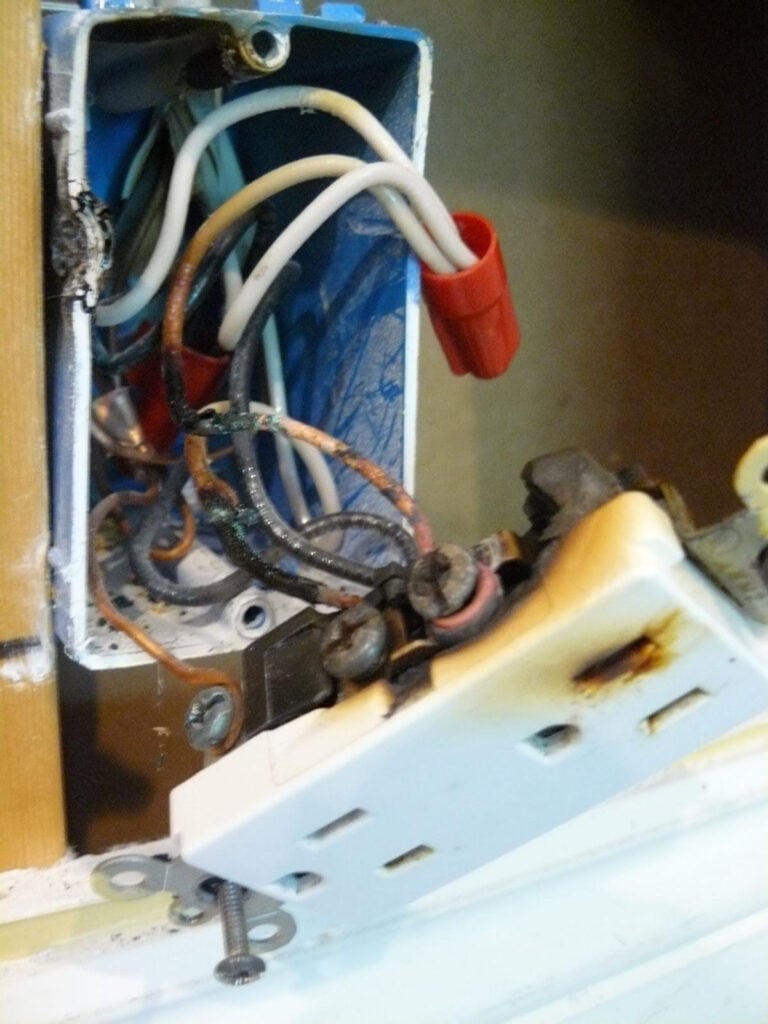
A burning or melting smell near an outlet, switch, or inside a wall is one of the clearest warning signs of an electrical problem. This odor can occur when wiring insulation overheats or when loose connections create excessive heat. You may also notice dark marks, melted plastic, or discoloration around outlets and switches. These signs suggest that electrical components are overheating and should be evaluated immediately to prevent a potential electrical fire.
4. Buzzing or Crackling Sounds
Electrical systems should operate silently. Buzzing, popping, or crackling sounds coming from an outlet, switch, or electrical panel are not normal. They often occur when electricity jumps across a loose connection or damaged wire, a process known as arcing. Because arcing can generate heat and sparks, it can create a significant fire hazard and should be inspected by an electrician as soon as possible.
5. Warm or Hot Outlets and Switches
Outlets and switches should remain at room temperature during normal use. If an outlet plate or switch feels warm or hot to the touch, it may indicate that electricity is encountering resistance as it moves through the wiring. This often happens when connections are loose or wires are damaged, allowing heat to build up inside the electrical box and potentially affect surrounding materials, increasing the risk of overheating.
6. Outlets or Switches That Stop Working
An outlet or switch that suddenly stops working can sometimes be caused by a tripped breaker or a GFCI outlet that needs to be reset. If power cannot be restored and the breaker is not tripped, the problem may be a loose wire or a failed connection behind the outlet or switch. Electrical connections can loosen over time, and when they do, the device may lose power or stop working intermittently, which may indicate a serious issue within the circuit.
7. Frequent Light Bulb Burnout
Light bulbs that burn out much faster than expected can signal a wiring problem. While a single failed bulb is normal, repeatedly replacing bulbs in the same fixture or room may indicate voltage fluctuations or unstable electrical connections. When wiring cannot maintain a steady flow of electricity, the increased electrical stress can shorten the lifespan of light bulbs.
8. Mild Electrical Shocks
Feeling a small shock or tingling sensation when plugging in or touching an appliance is not normal and may indicate a wiring or grounding problem. These shocks can occur when electrical current leaks from a device or outlet due to damaged wiring or improper grounding. Even mild shocks should be taken seriously, as they may signal an unsafe electrical condition that requires inspection.
9. Outdated Wiring
Older wiring systems may struggle to handle the electrical demands of modern homes. Examples include aluminum wiring and knob and tube wiring, which were commonly installed in homes built between the 1880s and 1970s, along with older electrical panels that relied on fuse boxes instead of modern circuit breakers. These systems can develop connection problems, overheat more easily, and may not meet current electrical standards, sometimes leading to potential code violations when homes are renovated or inspected.
10. Damaged Wiring
Electrical wiring can also deteriorate when it becomes physically damaged. Rodents may chew through insulation, fraying wires, and damaging electrical cables. Construction work can nick or crush cables. Moisture inside walls can cause corrosion. When wiring insulation is compromised, the conductors inside the cable can overheat, short-circuit, or create arcing, all of which increase the risk of electrical failure or fire.
Protecting Your Home From Wiring Problems
While some wiring problems develop as electrical systems age, many issues can be prevented with proper use and routine attention to your home’s electrical system. Avoiding unnecessary strain on circuits, maintaining electrical components, and addressing small problems early can help extend the life of your wiring and reduce safety risks.
- Avoid overloading outlets and circuits. Plugging too many high-demand devices into a single outlet or circuit can cause wiring to overheat. Spread electrical loads across multiple circuits, unplug devices like hair dryers when you aren’t using them, and avoid relying heavily on power strips or extension cords.
- Use dedicated circuits for large appliances. Appliances such as microwaves, space heaters, portable air conditioners, and electric heaters draw significant power and should operate on circuits designed to handle their electrical demand.
- Replace damaged outlets, switches, and cords. Cracked outlet plates, loose outlets, or damaged appliance cords can create poor electrical connections that generate heat and increase the risk of wiring damage.
- Watch for early warning signs. Flickering lights, occasional breaker trips, or outlets that stop working should be investigated. Small electrical problems often develop into larger wiring issues if ignored.
- Schedule periodic electrical inspections. Older homes or homes that have undergone renovations can benefit from professional electrical inspections. An electrician can identify deteriorating wiring, outdated systems, or unsafe connections before they lead to more serious problems.
- Protect wiring during renovations and repairs. Drilling, cutting, or driving fasteners into walls can accidentally damage hidden electrical cables. Locating wiring before opening walls helps prevent accidental damage.
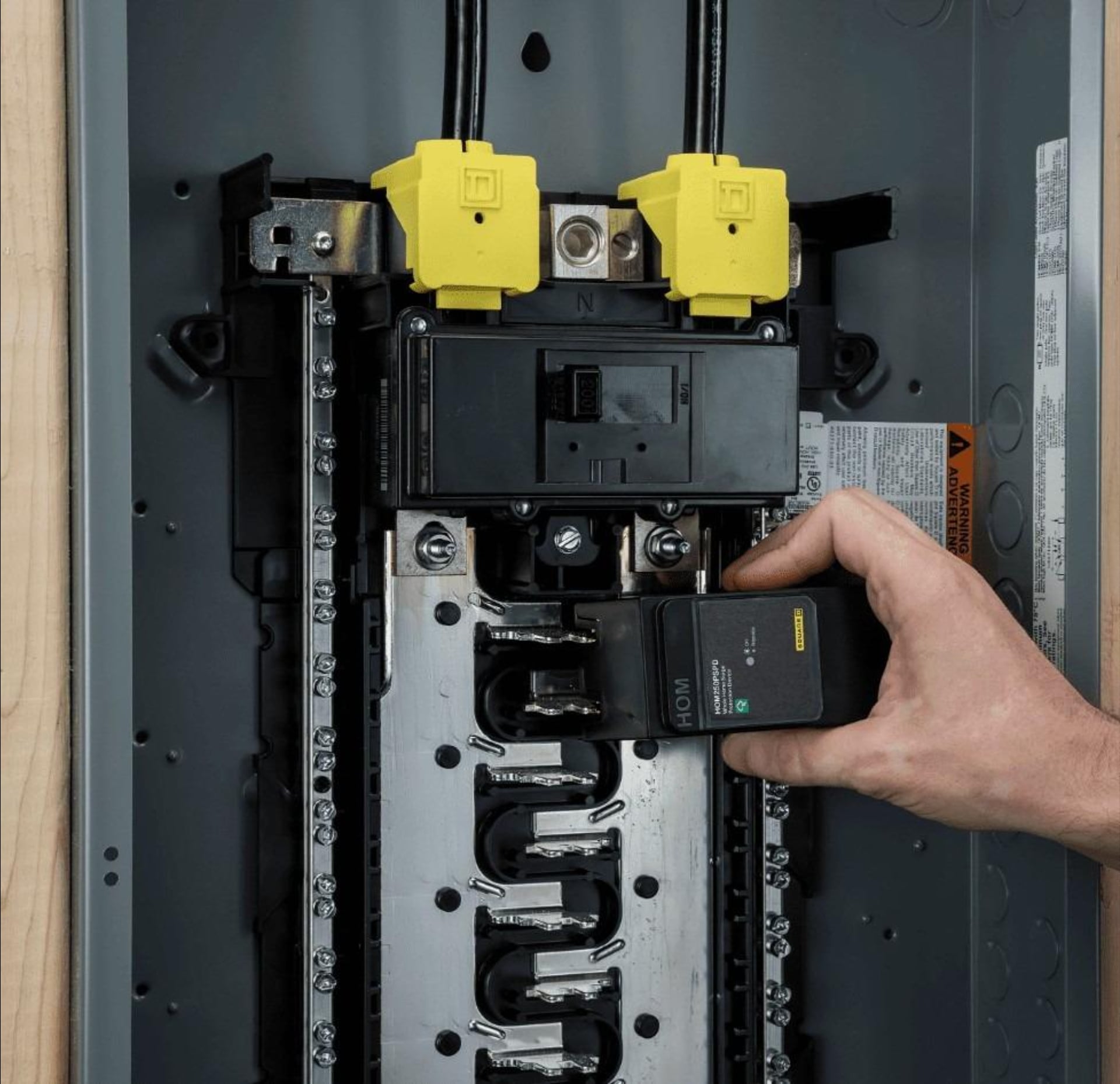
- Install whole-home surge protection. Power surges caused by storms or utility fluctuations can place stress on electrical systems. Whole-home surge protectors installed at the electrical panel help reduce damage from sudden voltage spikes.
- Avoid unlicensed or DIY electrical modifications. Improper electrical work can create loose connections, overloaded circuits, or unsafe wiring conditions inside walls. Electrical installations and repairs should be performed by a licensed electrician to ensure safe operation.
How to Troubleshoot Possible Wiring Problems
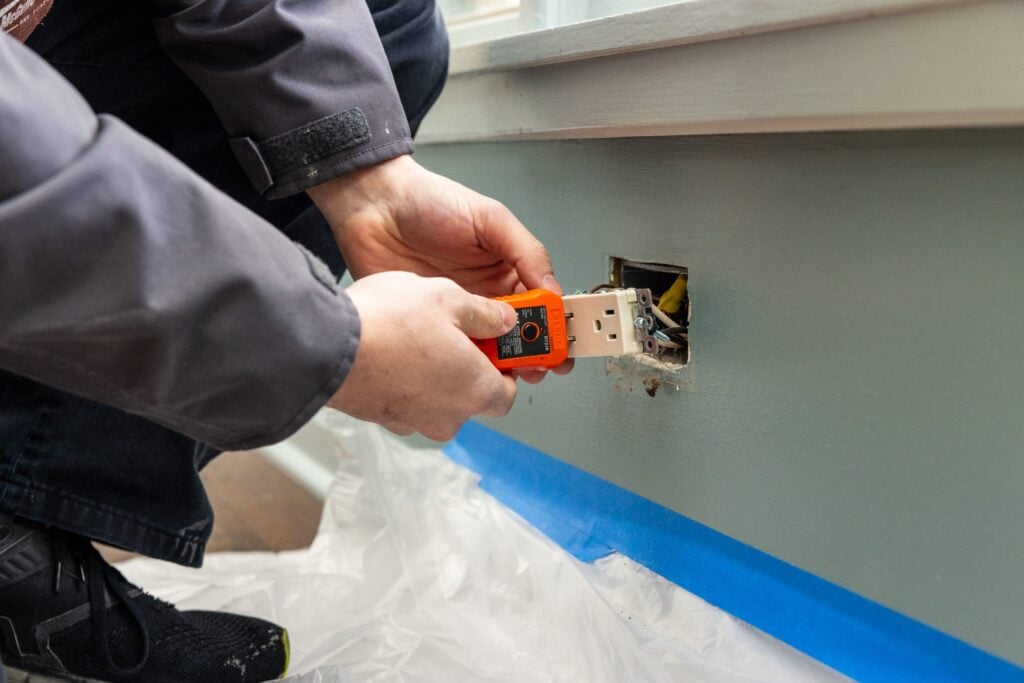
Some electrical issues have simple explanations, while others may point to wiring problems inside the walls. Before assuming that the wiring is failing, homeowners can perform a few basic checks to determine whether the issue is isolated or part of a larger electrical problem.
- Check the breaker panel. Open your electrical panel or breaker box and look for a tripped breaker. A breaker may appear slightly out of alignment or sit in the middle position. Reset it by switching it fully off and then back on. If the breaker trips again shortly afterward, the circuit may be overloaded or experiencing a wiring fault.
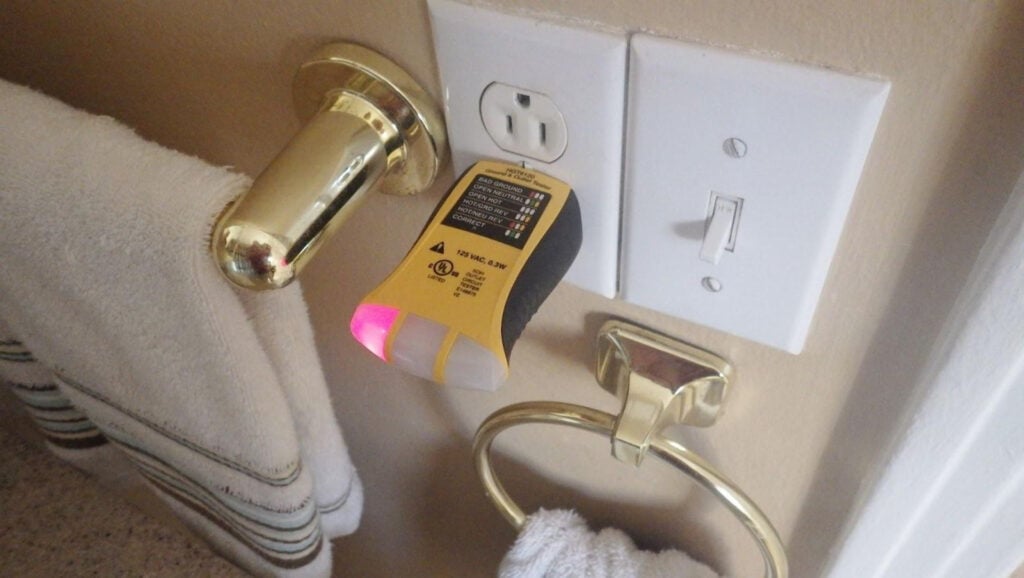
- Reset nearby GFCI outlets. Ground fault circuit interrupter outlets are commonly installed in kitchens, bathrooms, garages, and outdoor areas. When a GFCI trips, it can shut off power to other outlets on the same circuit. Press the reset button on nearby GFCI outlets to see if power is restored.
- Test the device or appliance. Sometimes the problem is not the outlet but the device plugged into it. Try plugging the appliance, lamp, or charger into another outlet that you know is working. If the device still does not work, the issue may be with the appliance rather than the wiring.
- Test multiple outlets on the circuit. If an outlet stops working, check nearby outlets in the same room or adjacent rooms. Electrical circuits often power several outlets at once. If multiple outlets are affected, the issue may involve the entire circuit rather than a single outlet.
- Watch for patterns. Pay attention to when electrical problems occur. Lights that dim when appliances turn on, outlets that fail intermittently, or breakers that trip under normal use may signal a deeper wiring issue that should be inspected by an electrician.
When Wiring Problems Require a Professional Electrician
While some electrical issues have simple explanations, certain warning signs should not be left unchecked and should always be evaluated by a licensed electrician. Wiring problems inside walls, junction boxes, or the electrical panel can be difficult to diagnose without proper training and equipment. Attempting to repair these issues without experience can increase the risk of electrical shock or fire.
Call a reputable electrician if you notice burning smells, warm outlets or switches, buzzing sounds from electrical components, or breakers that trip repeatedly under normal use. Multiple electrical symptoms appearing at the same time can also indicate a deeper wiring problem within the circuit. A professional electrician can safely inspect the wiring, identify the source of the issue, and make the necessary repairs to restore safe operation.
Make Sure Your Home’s Wiring Is Safe and Reliable
Electrical wiring problems should never be ignored. Warning signs such as flickering lights, frequent breaker trips, warm outlets, or burning smells often indicate that the electrical system is under stress or beginning to fail. Addressing these issues early can prevent more serious problems, including electrical fires, damaged appliances, or widespread power failures within the home.
If you live in the Seattle area and suspect that your home’s wiring may be deteriorating or outdated, the team at Mirsky Electric can help. A licensed electrician can inspect your electrical system, identify hidden wiring problems, and determine whether repairs or a full wiring replacement are necessary. Contact Mirsky Electric today to schedule an inspection and make sure your home’s electrical system is operating safely.