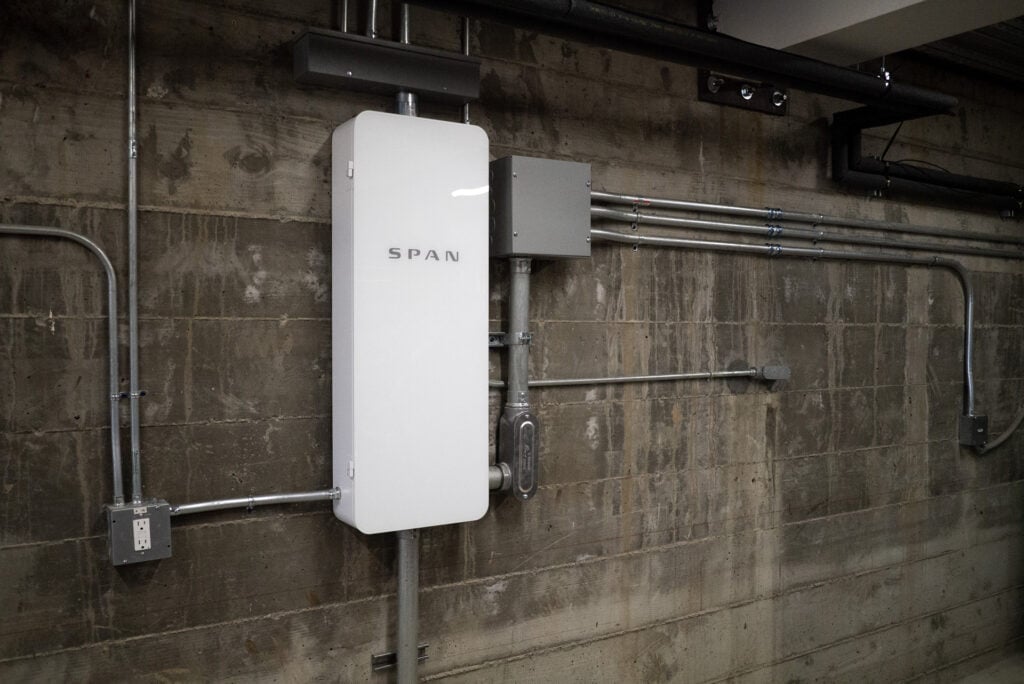
Electrical outlets are one of the most used and overlooked parts of any home. They keep lights on, devices charged, and appliances running smoothly. Choosing the right electrical outlet types for each area of your home isn’t just about convenience; it’s also a matter of safety and efficiency.
Modern outlets come in a variety of designs, each serving a specific purpose based on where they’re installed and how they’re used. From everyday 15-amp outlets and weather-resistant options to new smart plugs that help automate your home, understanding your choices can help you keep your home safe, functional, and up to code. In this article, we’ll cover the most common types of outlets found in modern homes, how they’re used, and what makes each one unique.
Common Types of Outlets
Every outlet in your home serves a specific function based on its location, electrical load, and safety requirements. Some are built for standard everyday use, while others are designed for specific applications like outdoor power. Homes often have various types of outlets to meet these different needs. The table below highlights where each outlet type is most commonly installed and what purpose it serves.
| Outlet Type | Electrical Rating | Best Locations | Common Appliances or Devices | Upgrade Benefit | Installation Difficulty | Code Compliance Note |
|---|---|---|---|---|---|---|
| Standard 15-amp outlets | 15A / 120V | Living rooms, bedrooms, hallways | Lamps, TVs, small electronics | Reliable power for everyday use | Basic | Required in most general living areas |
| 20-amp outlets | 20A / 120V | Kitchens, bathrooms, garages, laundry rooms | Microwaves, toasters, power tools | Handles higher power safely | Intermediate | Required in kitchens, bathrooms, and utility areas |
| GFCI outlets | 15A–20A / 120V | Kitchens, bathrooms, outdoors, basements | Hair dryers, outdoor tools | Prevents shock in wet areas | Professional | Required in wet or damp locations |
| AFCI outlets | 15A–20A / 120V | Bedrooms, living rooms, hallways | Lamps, outlets with frequent use | Reduces fire risk from wiring faults | Professional | Required in most living areas per NEC |
| USB outlets | 15A / 120V + 2.4A (USB) | Offices, kitchens, bedrooms | Phones, tablets | Eliminates need for charging adapters | Basic | Optional upgrade |
| Smart outlets | 15A / 120V | Living rooms, offices, anywhere with smart devices | Lamps, coffee makers, TVs | Enables automation and energy control | Intermediate | Optional upgrade |
| Tamper-resistant outlets | 15A–20A / 120V | All living areas, children’s rooms | All household devices | Adds built-in child safety protection | Basic | Required in new home construction |
| Weather-resistant outlets | 15A–20A / 120V | Patios, decks, exterior walls | Outdoor lighting, power tools | Protects against moisture and debris | Intermediate | Required for outdoor use |
| 240-volt outlets | 20A–50A / 240V | Laundry rooms, garages, kitchens | Dryers, ovens, EV chargers | Powers large appliances | Professional | Required for high-powered appliances |
| Combination outlets | 15A–20A / 120V | Kitchens, bedrooms, offices | Lights, chargers, small appliances | Saves space by combining functions | Intermediate | Optional upgrade |
| Recessed outlets | 15A–20A / 120V | Behind furniture, TVs, wall-mounted fixtures | TVs, lamps, sound systems | Keeps cords flush for clean look | Intermediate | Optional upgrade |
| Pop-up and floor outlets | 15A–20A / 120V | Kitchen islands, open living spaces, floors | Laptops, small appliances | Adds convenient access where needed | Professional | Optional upgrade |
Standard 15-Amp Outlets
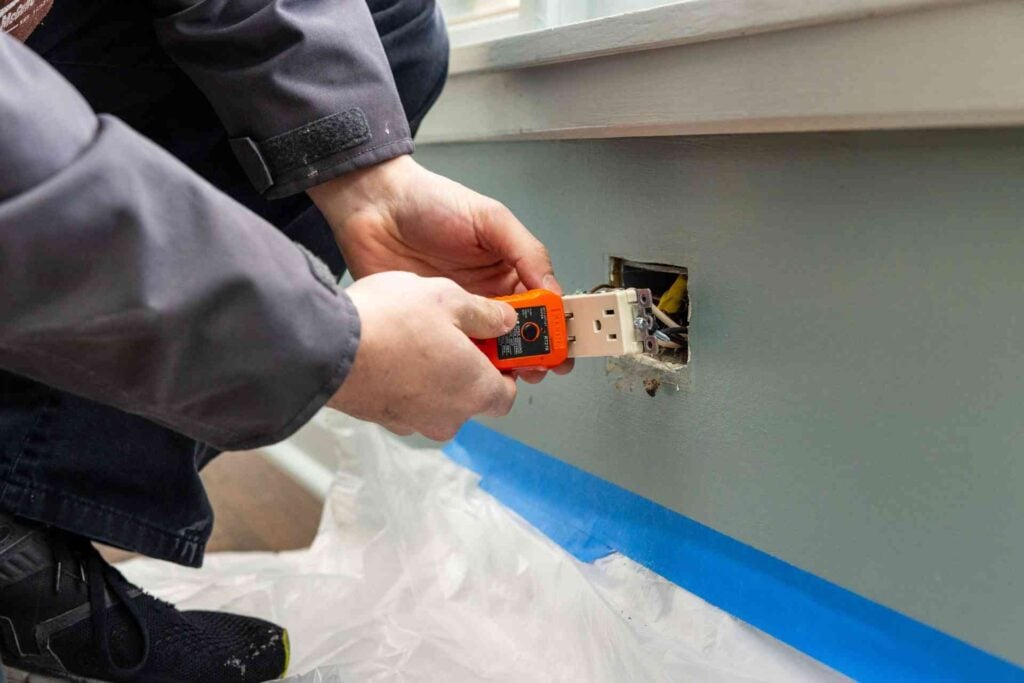
Standard 15-amp outlets are the most common type in residential homes, used in living rooms, bedrooms, and hallways to power everyday items like lamps, TVs, and small electronics. They operate on 120 volts and safely deliver electricity through two vertical slots and a grounded plug connection. Older two-prong outlets should be upgraded to meet modern electrical code and reduce the risk of shock.
20-Amp Outlets
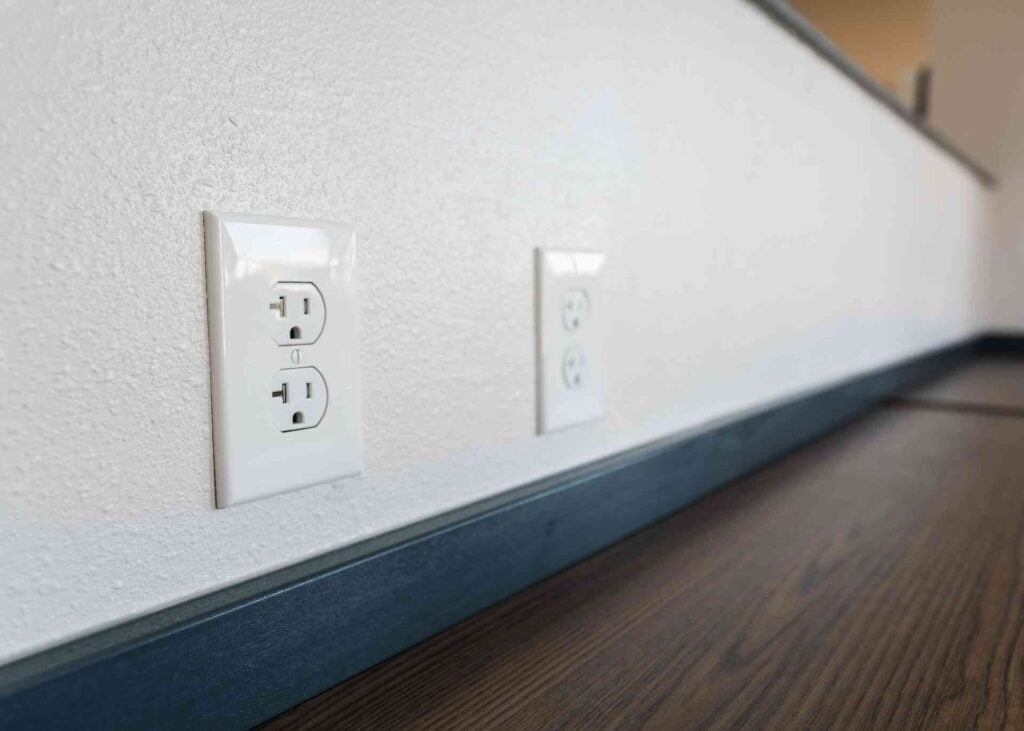
20-amp outlets are designed for areas that require more power, such as kitchens, bathrooms, garages, and laundry rooms. They operate on 120 volts but can safely handle heavier electrical loads from a connected appliance like a microwave, toaster, or power tool. You can identify a 20-amp outlet by the small horizontal slot on one of the prongs. These outlets help prevent circuit overloads and tripped breakers when multiple high-demand devices are in use.
GFCI Outlets
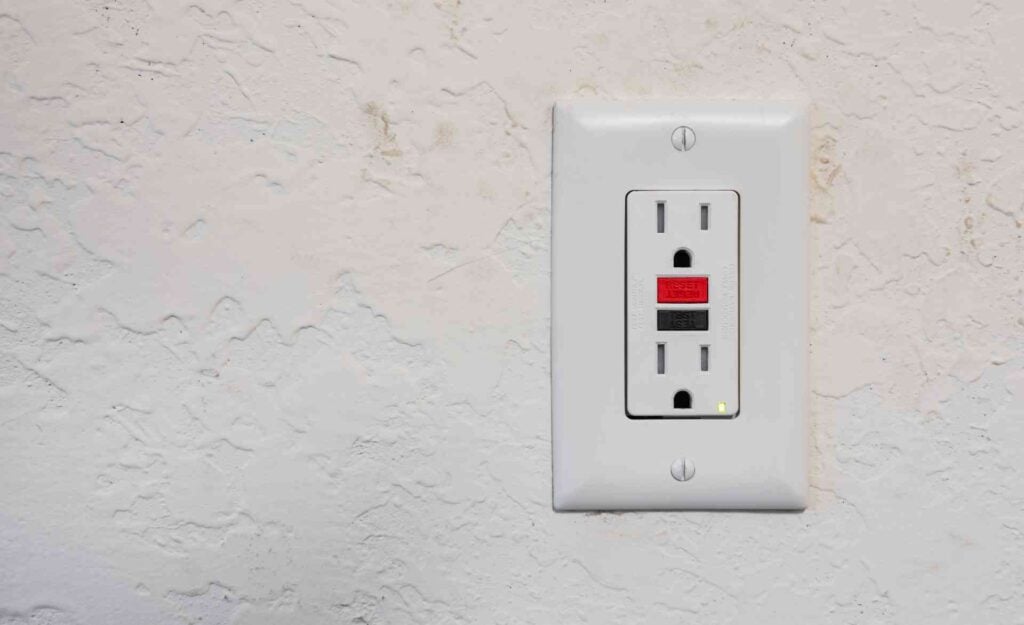
Ground fault circuit interrupter (GFCI) outlets are designed to protect against electrical shock in wet or damp environments like kitchens, bathrooms, garages, and outdoor areas. They constantly monitor the electrical current in the circuit and shut off power within milliseconds if an imbalance is detected. These outlets feature “test” and “reset” buttons on the face for regular maintenance checks
AFCI Outlets
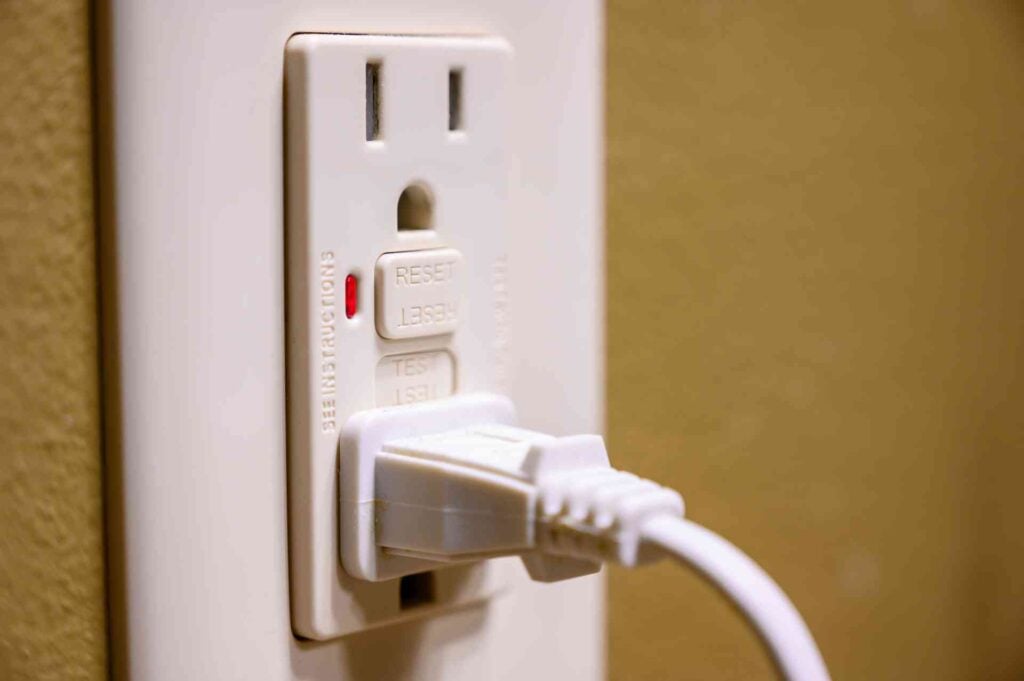
Arc fault circuit interrupter (AFCI) outlets help prevent electrical fires by detecting dangerous arcing conditions and other electrical faults that can occur when wires are damaged, loose, or deteriorating. Unlike GFCIs, which protect against shock, AFCIs protect against heat buildup caused by arc faults inside walls or cords. These outlets are typically required in bedrooms, living rooms, and hallways.
240-Volt Outlets
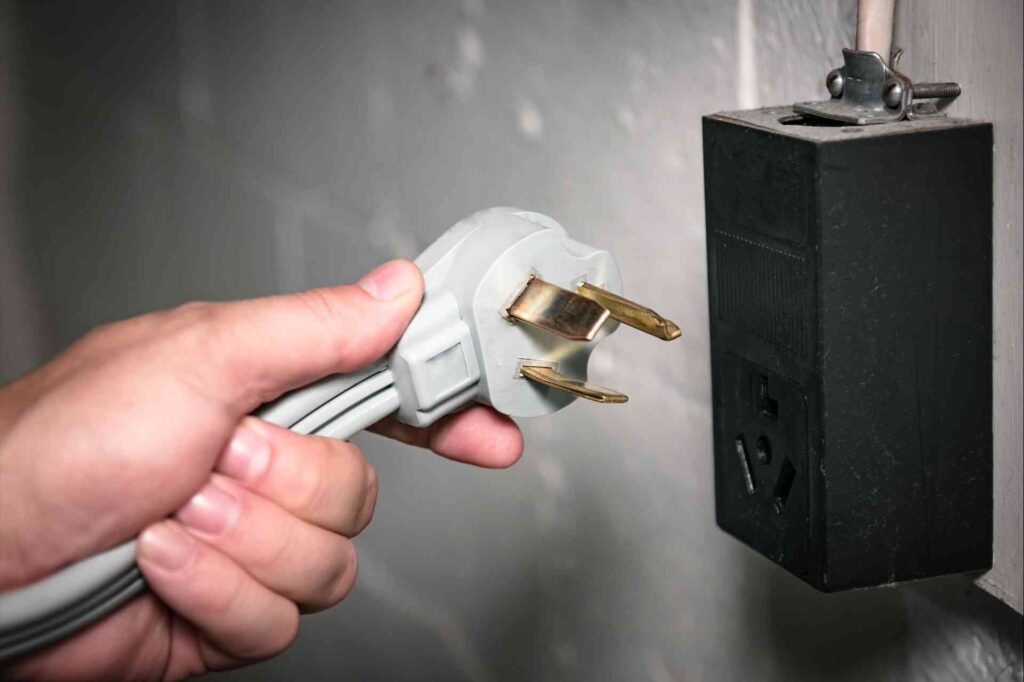
240-volt outlets provide the higher voltage needed to power large household appliances such as dryers, ovens, and electric vehicle chargers. They come in several configurations depending on the appliance’s plug type and amperage, typically ranging from 20 to 50 amps. These outlets supply more energy than standard 120-volt receptacles and require dedicated circuits with heavier-gauge wiring.
Weather-Resistant Outlets
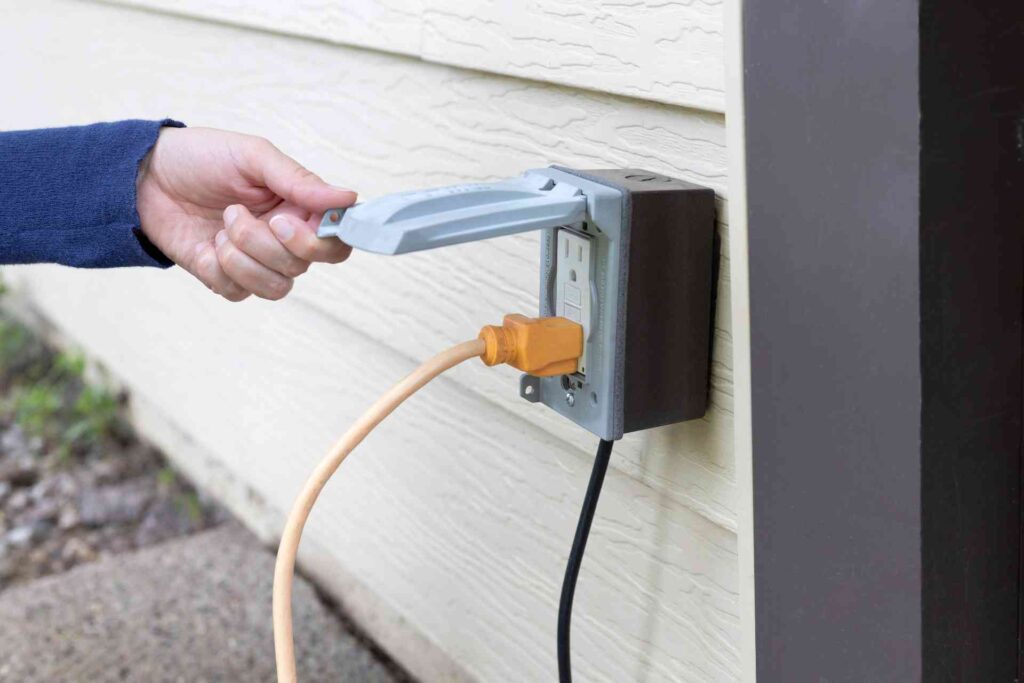
Weather-resistant outlets are built to handle outdoor conditions, including rain, humidity, and temperature changes. They use corrosion-resistant materials and are designed to maintain a safe electrical connection even when exposed to the elements. Commonly installed on patios, decks, and exterior walls, these outlets must be paired with weatherproof covers that close securely when not in use.
Tamper-Resistant Outlets
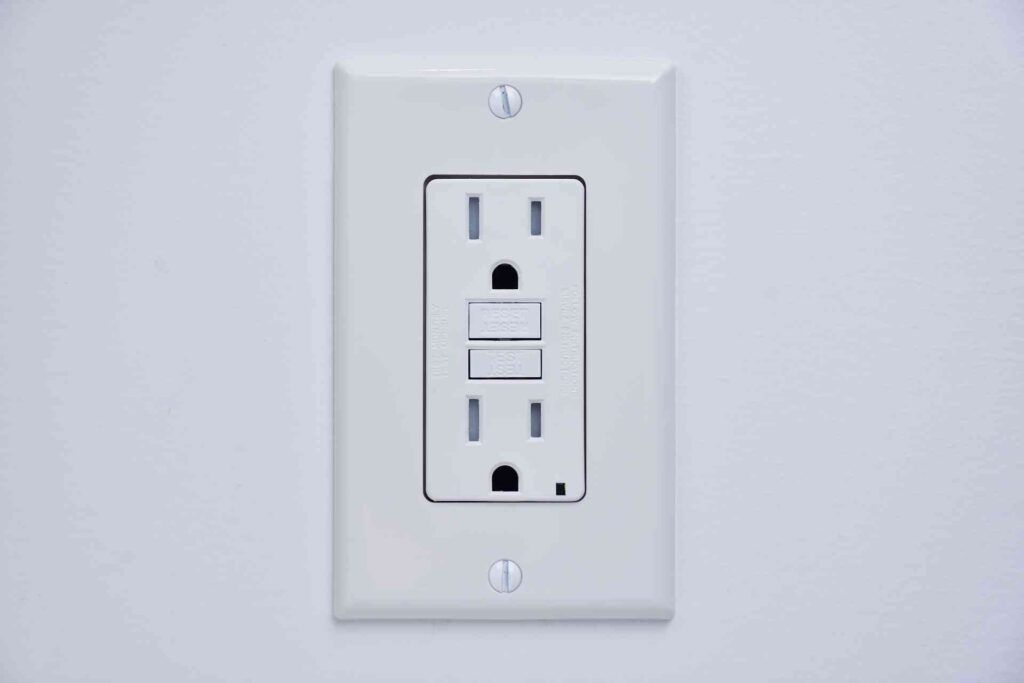
Tamper-resistant outlets are designed with spring-loaded shutters that block anything other than a proper plug from being inserted. This feature protects small children from accidental electrical shock and is now required by code in all new homes. They look and function like standard outlets, making them an easy safety upgrade for any room, especially nurseries and play areas.
Combination Outlets
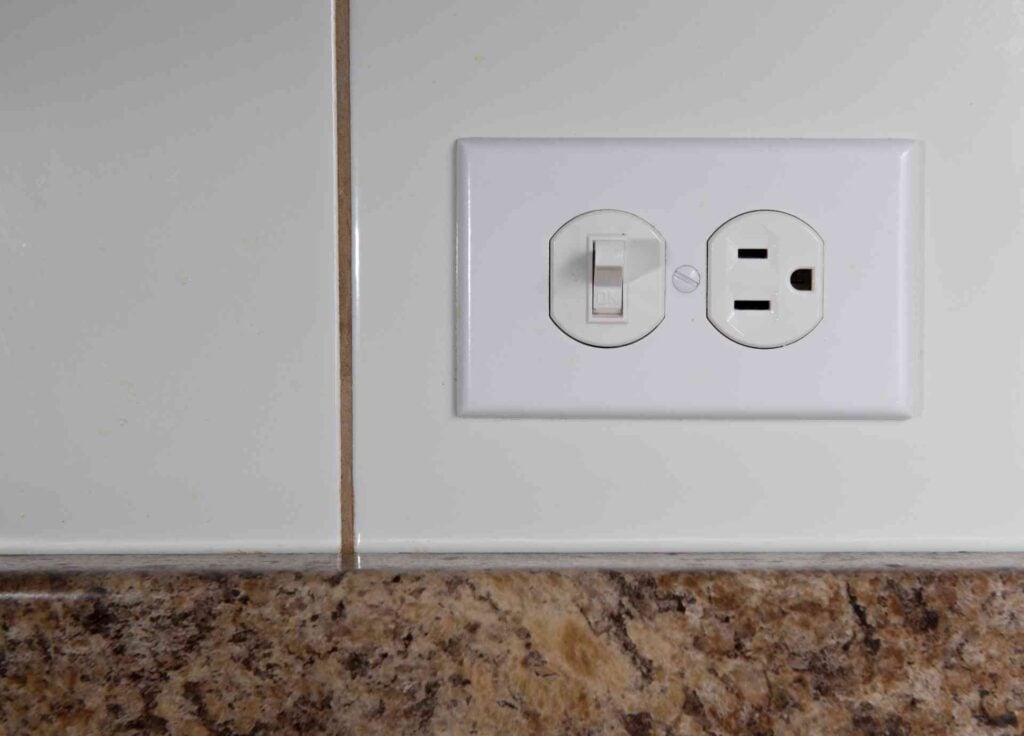
Combination outlets combine multiple functions into one unit, such as switch outlets, USB ports, or GFCI protection. They’re ideal for saving wall space and adding convenience in areas like kitchens, offices, or bedrooms. For example, a switch-and-outlet combo can control a light fixture or fan while still providing power access, while a USB combo simplifies charging. These outlets come in both 15-amp and 20-amp versions and can be customized to fit your needs.
Smart Outlets
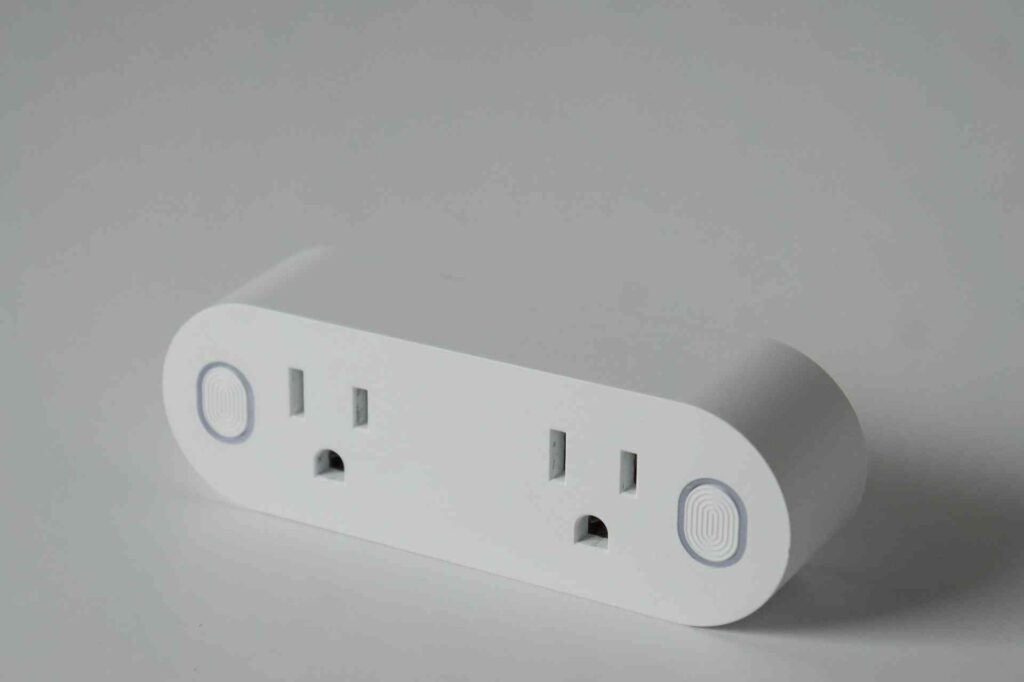
Smart outlets connect to your home’s Wi-Fi network, allowing you to control power remotely through a smartphone app or voice assistant. They can be programmed to turn lights or appliances on and off automatically, monitoring power usage for greater efficiency. Common in living rooms, offices, and bedrooms, smart outlets also integrate with systems like Alexa, Google Home, and Apple HomeKit.
USB Outlets

USB outlets combine traditional plug-in receptacles with built-in USB ports, allowing you to charge phones, tablets, and other devices without bulky adapters. They’re a convenient upgrade for bedrooms, offices, and kitchens where multiple devices are used daily. USB outlets typically deliver up to 2.4 amps per port for fast charging, helping to reduce clutter from extension cords, power strips, and chargers.
Recessed Outlets
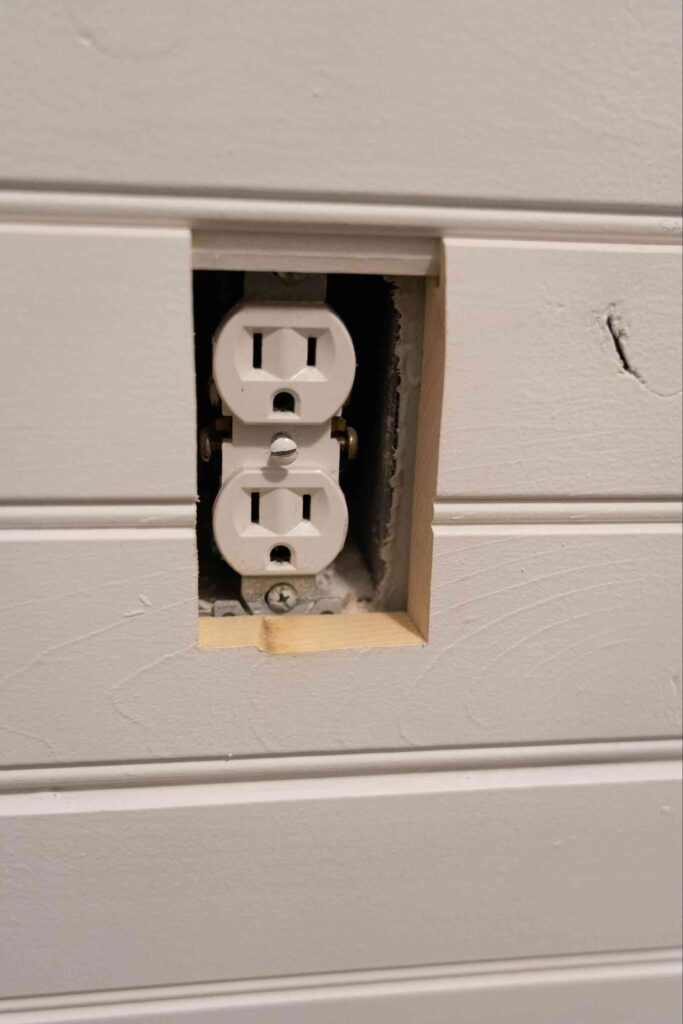
Recessed outlets are installed deeper into the wall, allowing plugs to sit flush with the surface. This design prevents cords from bending or sticking out, making them perfect for tight spaces behind TVs, furniture, or wall-mounted fixtures. They offer a clean, modern look while reducing strain on cords, plugs, and contact points. Recessed outlets can be used for both standard and specialty applications.
Pop-Up and Floor Outlets

Pop-up and floor outlets provide convenient access to power in places where wall outlets aren’t practical, such as kitchen islands, open living spaces, or office floors. They remain hidden when not in use and can be raised or opened when needed, keeping surfaces clean and organized. These outlets are especially useful for charging laptops or powering small appliances in central areas.
Choosing the Right Outlet for Your Home
Every room has different electrical needs. Whether you’re improving safety, adding convenience, or upgrading for modern devices, the right outlet makes a big difference in comfort and performance. Some outlets even combine features such as light switches or USB ports for added functionality. Use this quick guide to match your goals with the outlet type that fits best.
| What You Want for Your Home | Best Outlet Type |
|---|---|
| “I’m updating outlets in bedrooms and living areas.” | Standard 15-amp outlets |
| “I need more power for kitchen appliances or tools.” | 20-amp outlets |
| “I want protection against shock in bathrooms or outdoors.” | GFCI outlets |
| “I’m concerned about preventing electrical fires.” | AFCI outlets |
| “I want easier charging for phones and tablets.” | USB outlets |
| “I’d like to control lights or appliances remotely.” | Smart outlets |
| “I want safer outlets around young children.” | Tamper-resistant outlets |
| “I need outdoor power that stands up to the weather.” | Weather-resistant outlets |
| “I’m installing a new dryer, oven, or EV charger.” | 240-volt outlets |
| “I want one outlet that handles multiple functions.” | Combination outlets |
| “I’d like a cleaner look behind furniture or TVs.” | Recessed outlets |
| “I want convenient power access in open spaces or islands.” | Pop-up and floor outlets |
10 Professional Installation and Safety Tips
Outlet upgrades and installations should always be handled by a licensed electrician. Proper installation prevents electrical hazards, ensures reliable performance, and keeps your home’s electricity system compliant with safety codes. Here are ten important tips to keep in mind when adding or replacing outlets:
- Hire a licensed electrician. Finding a good electrician for professional installation guarantees code compliance and safe, long-lasting connections.
- Match the outlet to the circuit. As an example, a 20-amp outlet must connect to a 20-amp circuit with 12-gauge wiring for safe operation.
- Use GFCI protection in wet areas. Kitchens, bathrooms, garages, and outdoor spaces must include GFCI outlets to prevent shock.
- Install AFCI protection where required. Bedrooms, living rooms, and hallways often need AFCI outlets to prevent electrical fires.
- Check grounding before replacement. Proper grounding is essential for safety and helps protect electronics from surges.
- Inspect for outdated wiring. Knob-and-tube or aluminum wiring should be upgraded during outlet replacement for safer performance.
- Plan for future electrical needs. Add extra outlets or higher-capacity circuits during renovations to prevent overloads later.
- Use tamper-resistant outlets in family areas. These are required in new homes and help prevent accidental electrical contact.
- Seal outdoor outlets properly. Weather-resistant outlets must have tight covers to keep out rain and moisture.
- Schedule periodic safety inspections. Regular electrical inspections can identify worn outlets, loose connections, or overloaded circuits before they become hazards.
Keep Your Home Safe with Expert Outlet Installation
Outlets may seem small, but they play a major role in your home’s safety and efficiency. Whether you’re replacing outdated receptacles, upgrading to GFCI or smart outlets, or planning new installations, professional electrical work ensures everything operates safely and meets modern standards.
Mirsky Electric provides expert outlet installation, replacement, and inspection services for homeowners across the Seattle area. Our licensed electricians handle every job with precision, ensuring your home stays safe, efficient, and code-compliant. Schedule your free consultation today to get professional advice and a detailed estimate for your outlet installation or upgrade project.