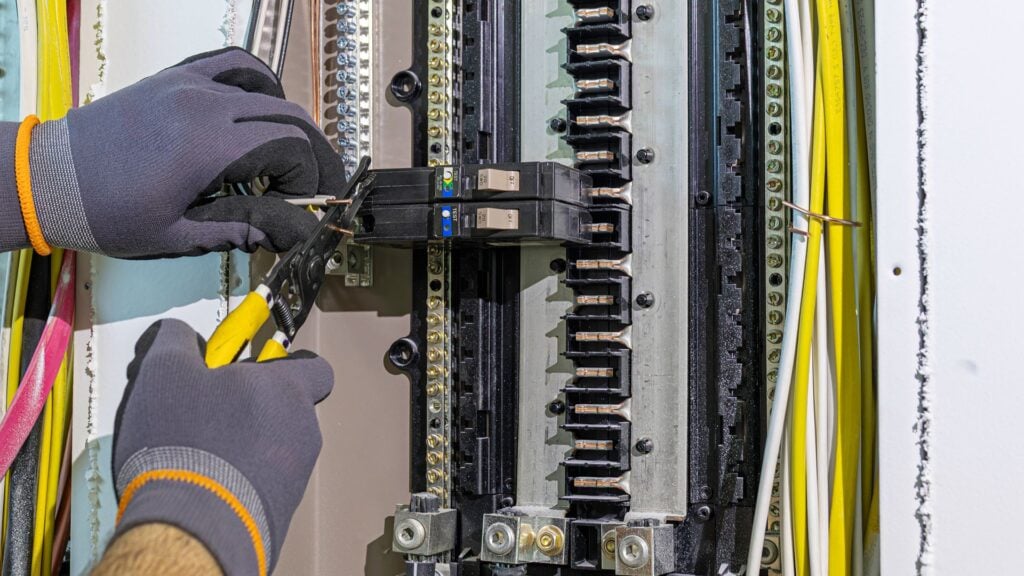
Electrical fires can spread very quickly, and even a small spark can swiftly grow into a blaze. Those few seconds can damage your home and transform your life. And it doesn’t take much to start an electrical fire: a damaged cord, an overloaded circuit, a loose connection, or aging wiring can create heat and electrical arcing that might cause a fire.
This information is understandably quite daunting. But there are clear, tangible steps you can take to reduce the risk of an electrical fire in your home. Knowing what to watch out for is important, as is enlisting expert residential electricians who can conduct thorough inspections. With a few other basic precautions, you can spot a potential fire hazard before it sparks into a real problem.
What Causes Electrical Fires?
Electrical fires can often start in places that the average homeowner might not consider searching, such as inside walls, outlets, or aging electrical panels. Those are spots where a skilled electrician might start, but there are several common causes of electrical fires that homeowners should know about. Some of these causes are related to the electrical system itself, while others come from how electrical equipment is used in the home.
Overloaded Circuits
Every electrical circuit in your home is designed to safely handle a certain amount of electrical current. When you plug too many devices into the same circuit, you can accidentally cause the wiring and other components to carry more current than they’re designed for, creating excess heat.
High-demand appliances such as space heaters, portable air conditioners, and some kitchen appliances can put a significant load on a circuit. If you’re regularly tripping a breaker when using certain appliances at the same time, that may be a sign that the circuit is being overloaded or that there’s another electrical problem that needs to be addressed.
Damaged or Aging Wiring
Electrical wiring is protected by insulation that helps keep electrical currents contained. Over time, insulation can deteriorate, or wiring can become damaged, particularly in older homes or during renovations.
The Pacific Northwest features many homes built before the 1950s, which could still use knob and tube wiring. The problem is that the insulation for this wiring can break down with age and the systems as a whole can’t safely support modern appliances. Replacing knob and tube wiring can protect your home against electrical fires and ensure that it’s up to code.
While older wiring systems aren’t automatically dangerous, they may not be well suited to the higher electrical demands of a modern home. If you have an older electrical system or aren’t sure what condition your wiring is in, you’ll want to schedule an electrical inspection to identify potentially bad wiring.
Loose Connections and Faulty Electrical Components
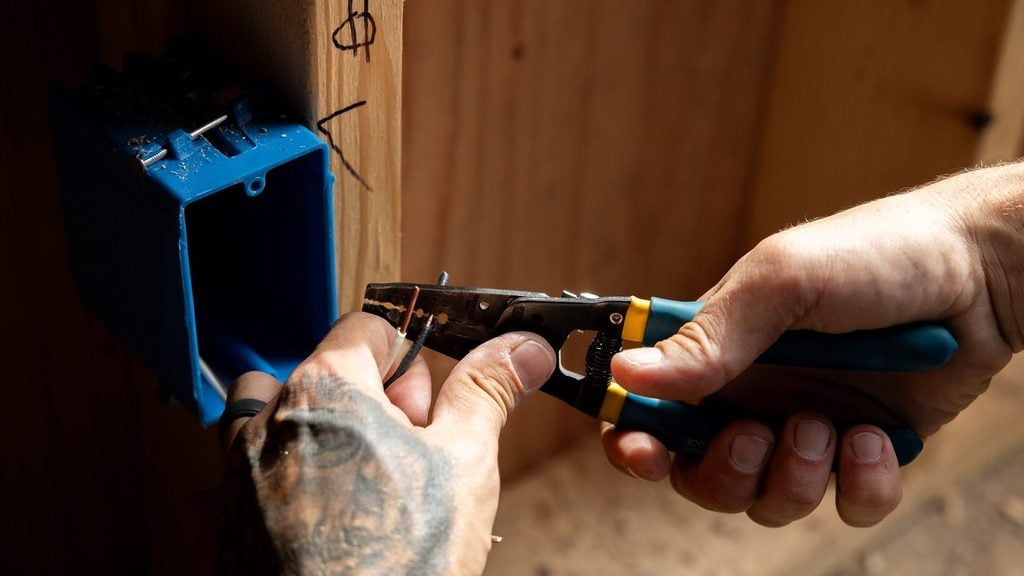
Simply put, electrical connections need to be secure. A loose connection at an outlet, switch, junction box, or another part of the electrical system can create resistance and heat. In some cases, loose connections can cause electrical arcing, which occurs when an electric current jumps through the air between conductors, creating extreme heat and light.
Improper Electrical Work
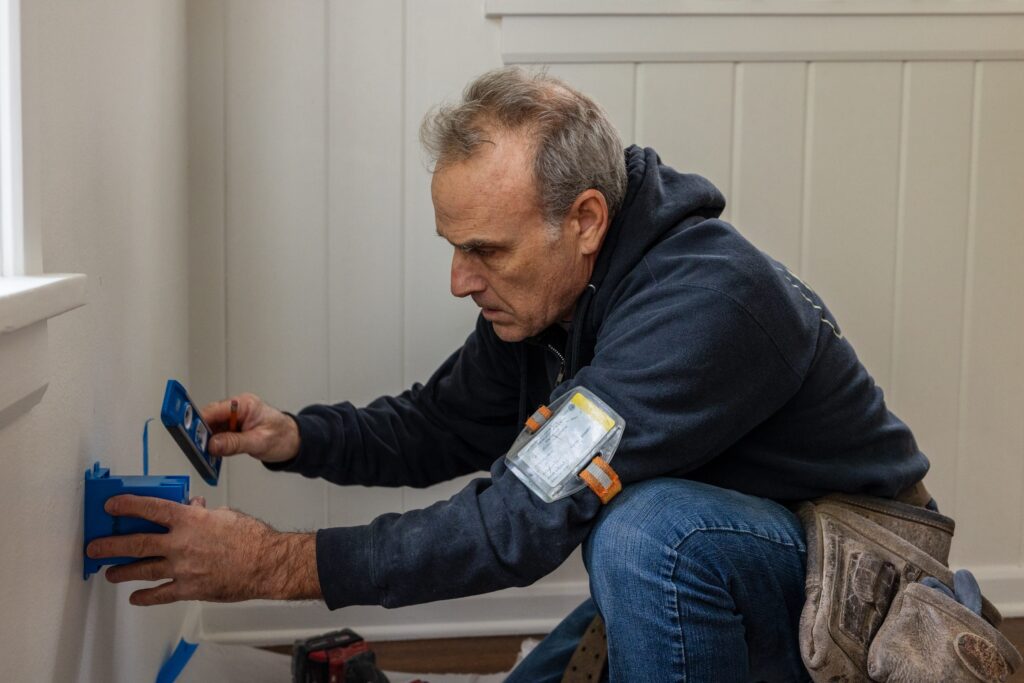
Electrical work that isn’t installed correctly can create safety hazards. Some typical culprits include improperly sized wiring, loose connections, inadequate grounding, and incorrectly installed breakers or other components.
Perhaps the previous homeowners attempted some DIY electrical work or hired a contractor whose installation techniques leave something to be desired. Regardless, improper electrical work can sometimes create problems that aren’t immediately apparent.
Damaged Cords and Improper Extension-Cord Use
Power cords and surge protectors can become frayed, cracked, pinched, or otherwise damaged over time. Damaged insulation can expose electrical conductors and create a shock or fire hazard.
It’s also not uncommon for people in your home to inadvertently misuse extension cords. Though extension cords are meant to be temporary solutions, people can get in the habit of treating them as permanent replacements for properly installed outlets.
Electrical Warning Signs You Shouldn’t Ignore
In an ideal scenario, electrical fire hazards would come with blinking signs over them, like a landscape in a video game. But they don’t. However, some electrical problems give warning signs that you shouldn’t ignore:
- Flickering or dimming lights
- Outlets or switches that feel warm or hot
- Buzzing, crackling, or sizzling sounds
- Burning or unusual electrical smells
- Scorch marks or discoloration around outlets or switches
- Loose outlets or plugs that don’t fit securely
- Damaged cords or exposed wiring
- Shocks or tingling when touching an appliance
- Breakers that repeatedly trip or won’t stay reset
Do these signs mean that you’re likely to experience an electrical fire in the immediate future? Not necessarily. But you definitely don’t want to ignore them. They can indicate an underlying electrical problem that should be evaluated by a trained electrician.
9 Ways to Help Prevent Electrical Fires
To paraphrase Smokey Bear, who was admittedly more focused on preventing forest fires, only you — and sometimes your electrician — can help prevent electrical fires. With some careful observation and a willingness to quickly address problems as they come up, you can protect yourself and your home from electrical fires.
1. Don’t Overload Outlets or Circuits
Avoid plugging multiple high-wattage appliances into the same electrical outlet or electrical circuit. Power strips aren’t the solution, either, since they don’t increase the amount of electricity a circuit can safely handle.
If a breaker or power strip trips repeatedly when you use certain appliances, don’t simply keep resetting it. There may be an underlying problem that needs to be investigated.
2. Replace Damaged Cords and Plugs
Check cords on appliances, lamps, power tools, and other electrical equipment periodically. If you notice fraying, exposed wires, cracked insulation, burn marks, or other damage, stop using the equipment right away. Electrical tape isn’t a fix for significant cord damage, either. You can’t just tape the cord up and keep using the appliance normally. You need a professional to repair or replace it.
3. Use Extension Cords Appropriately
All extension cords aren’t created equally. You’ll need an extension cord that’s rated for the equipment you’re using and the amount of electrical current it requires. Meanwhile, you should also avoid running extension cords under rugs or carpets. Concealing the cords may enhance your room’s aesthetic appeal, but they can also get damaged underfoot or generate excessive heat.
If you consistently run extension cords throughout a room, you should contact an electrician to have additional outlets installed. It’s a safer and more aesthetically appealing option.
4. Keep Electrical Equipment Away From Water and Heat
Water and electricity are a dangerous, and potentially lethal combination. Keep electrical appliances, cords, and other equipment away from sinks, bathtubs, wet floors, and other sources of moisture unless they’re specifically designed for that environment.
It’s also important to give heat-producing appliances enough space for ventilation. Don’t place flammable materials against space heaters or cover equipment that’s designed to dissipate heat.
5. Pay Attention to Warm or Discolored Outlets
An outlet or switch shouldn’t normally feel hot. Warmth, discoloration, scorch marks, or a burning smell can indicate that something is overheating behind the wall or within the electrical device.
If you notice these warning signs, stop using the outlet and have the problem evaluated as quickly as possible.
6. Use the Correct Bulbs and Electrical Equipment
Light fixtures and appliances have specific electrical ratings. Using a light bulb with a wattage higher than the fixture allows, for example, can create excessive heat.
Follow the manufacturer’s recommendations for bulbs and electrical equipment, and replace equipment that shows signs of damage.
7. Use Extra Caution With Space Heaters
You may be grateful for the existence of space heaters when the temperature drops, precisely because they can generate significant heat. But the same qualities that make them a miracle invention can also prove risky. You’ll need to keep them on a stable surface away from curtains, bedding, furniture, and other combustible materials.
You should also avoid using an extension cord or power strip with a space heater unless the manufacturer specifically permits it. Whenever possible, plug the heater directly into an appropriate wall outlet.
8. Make Sure Your Smoke Alarms Work
Smoke alarms don’t prevent electrical fires, but they can give you a necessary, even life-saving, warning if a fire does happen.
Test your smoke alarms regularly. Replace batteries and units according to the manufacturer’s recommendations, and follow current fire-safety guidelines for where smoke alarms should be installed in your home.
9. Have Older or Questionable Electrical Systems Inspected
Living in an older home has its charms, but older electrical systems aren’t part of those charms. If you’re doing any major renovations or adding high-demand appliances, you should have an electrician perform an inspection.
But even if your home is a little more modern, if you’ve noticed recurring electrical problems or simply don’t know much about the condition of your current wiring and electrical panel, you should still have that inspection done.
How an Electrician Can Help Prevent Electrical Fires
There’s a lot that homeowners like you can do to reduce your risk of an electrical fire. But electrical inspections, repairs, and replacements generally aren’t among those things. Without professional knowledge and skills, you risk damaging your home or yourself.
An electrician can inspect your electrical system, identify potential hazards, and perform necessary repairs or upgrades. Depending on the condition of your home, the electrician might need to perform any of the following tasks:
Electrical Inspections
An inspection can help identify problems with wiring, outlets, switches, breakers, panels, grounding, and other components of the electrical system. If a breaker or power strip trips repeatedly when you use certain appliances, you don’t want to keep resetting it. An electrician can perform an inspection to unveil the underlying problems that must be resolved before the electrical system is safe to use again.
Circuit and Breaker Repairs
An electrician can determine the cause of the issue instead of just resetting the breaker. Depending on what they find, the issue could involve an overloaded circuit, a faulty appliance, damaged wiring, or another electrical problem. Identifying the cause can help prevent the issue from continuing or becoming an even larger safety concern.
Electrical Panel Upgrades
If your electrical panel is outdated or doesn’t provide enough capacity for your home’s needs, an electrician can determine whether you need a panel upgrade. They’ll take a look at the panel’s capacity, condition, and overall electrical service to decide if an upgrade makes sense.
An electrician might advise making an electrical panel upgrade when you’re adding significant electrical loads, remodeling your home, experiencing ongoing electrical problems, or dealing with outdated equipment. The right upgrade depends on your home’s electrical requirements, which your electrician will understand instead of simply choosing the largest panel available.
Electrical Panel Replacement
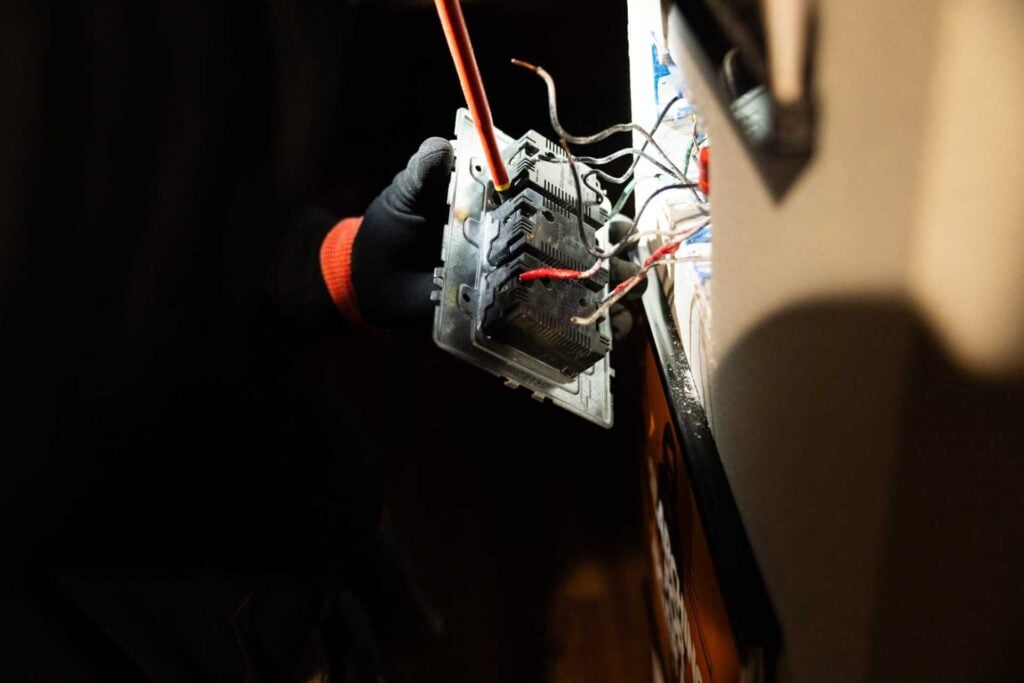
If a panel is damaged, deteriorated, or otherwise no longer suitable for the home, you may need an electrician to replace it. The electrician can remove the existing equipment and install a new panel that’s appropriately sized for your home’s electrical service and current needs. They can also identify whether other parts of the electrical system need attention as part of the replacement, instead of treating the panel as an isolated component.
Electrical Rewiring
Some homes may have damaged, deteriorated, or otherwise problematic wiring that needs to be rewired. A professional electrician can evaluate the wiring and determine whether you’ll need repairs or more extensive rewiring.
If rewiring is in order, your electrician may replace outdated or damaged wiring, bring parts of the electrical system up to current requirements, or address problems that can’t be resolved by simply replacing a breaker or panel. You should also enlist an electrician if you’re renovating an older home, since they can figure out whether you’ll need to replace an appliance’s wiring before it becomes a nuisance, or, in a worst case scenario, a fire hazard.
Dedicated Circuits
Some appliances and electrical equipment require their own dedicated circuit rather than sharing power with other outlets or appliances. High-demand equipment such as electric ranges, HVAC equipment, water heaters, washing machines, dryers, and EV chargers may require dedicated circuits, depending on the equipment and applicable electrical requirements.
If you’re adding a new appliance or upgrading existing equipment, an electrician can determine whether it needs a dedicated circuit and whether your existing electrical panel and wiring can accommodate it.
What to Do If You Suspect an Electrical Fire
If you see an electrical fire or smell a lot of smoke, first get everyone out of the home and call 911 as quickly as possible. In your panic, you might be tempted to try and put the fire out with water. Don’t. Remember, water and electricity don’t play well together, and you could risk being shocked.
If it’s safe to do so without approaching the fire or putting yourself in danger, you may be able to shut off the home’s main electrical power. Otherwise, leave it to emergency responders.
When you’re able to safely use a fire extinguisher and have a clear, safe escape route, follow fire-safety guidance for using that fire extinguisher. Your first priority should always be getting yourself and everyone else out safely.
Even if you think the coast is clear, don’t go back inside or restore power to your home until emergency responders tell you it’s safe.
Protect Your Home With Safe Electrical Work
Preventing an electrical fire starts with paying attention to the condition of your electrical system and the equipment you use every day. Don’t ignore warning signs such as warm outlets, burning smells, repeated breaker trips, or damaged wiring. And don’t feel like you’re alone in protecting your home from electrical fires. The highly trained electricians at Mirsky Electric are in your corner and ready to help with expert inspections and repairs.
If you’re concerned about an electrical problem in your home or want to have an older electrical system inspected, Mirsky Electric can help. Our residential electricians provide electrical inspections, repairs, upgrades, and other services for homeowners in the Seattle area. Contact us today.