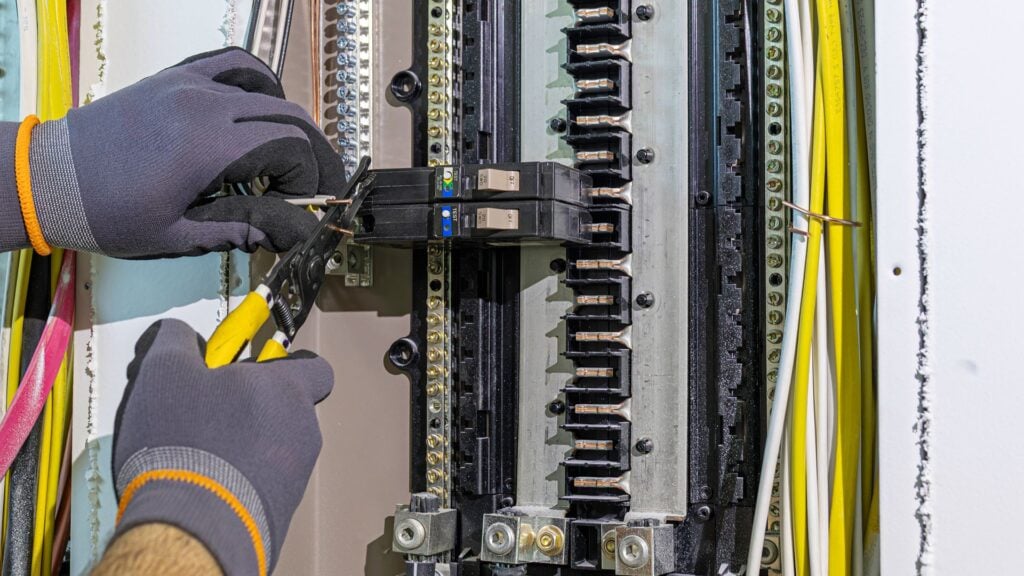
Some pieces of electrical equipment in your home are easier to identify than others. Even if you’re not knowledgeable about how your home’s electrical system works, you can likely pick out a circuit breaker, a generator, or an electrical panel. However, a tandem breaker might not be so familiar to you. In a nutshell, it’s a space-saving device that lets you fit two independent 120-volt circuits into a single slot in a compatible electrical panel.
Tandem breakers offer a practical way to add a circuit when an electrical panel has limited space, potentially avoiding a panel upgrade. That said, tandem breakers aren’t the right solution for every electrical system.
Here’s what homeowners should know about the benefits and limitations of tandem circuit breakers.
What Is a Tandem Breaker?
A tandem breaker is a type of circuit breaker that allows two separate circuits to occupy the space of one standard breaker. Also called a twin or duplex breaker, it contains two independent breaker mechanisms in a single unit.
In a typical residential electrical panel, each standard single-pole breaker takes up one slot (or breaker space) and protects one 120-volt circuit. A tandem breaker fits two individual breakers into that same space, with each protecting its own circuit.
Here’s how it might work in action: Say you want to add a circuit for new lighting or wall outlets during a home renovation, but your electrical panel has no empty slots. If your panel supports tandem breakers, installing one may give you the space you need without replacing the entire panel.
However, there’s an important distinction: a tandem breaker creates room for additional circuits, but it doesn’t increase your home’s electrical capacity. That depends on your panel’s rating, the existing electrical load, and the service supplying your home.
Why Would You Use a Tandem Breaker?
Tandem breakers can help you use the available space in an electrical panel more efficiently. You’ll want an experienced residential electrician to take a look at your setup and electrical needs before having one installed. Based on what they find, a tandem breaker may offer several benefits.
Adding a Circuit Without Replacing the Panel
Perhaps your electrical panel is in good condition and has sufficient electrical capacity, but it lacks physical room for another breaker. In that case, a compatible tandem breaker may be a practical option.
Tandem breakers can be beneficial when you need an additional circuit for a room renovation, new lighting, or wall outlets. If your panel allows tandem breakers in specific slots, an electrician may be able to use one to add a circuit without replacing the entire panel.
Making Better Use of Existing Panel Space
Replacing an electrical panel can involve more work than simply adding a breaker. Depending on the project, it may require new equipment, rewiring your house, permits, and an inspection.
A tandem breaker may help you avoid a full panel replacement when the only problem is a lack of breaker slots. That said, an electrician still needs to confirm that your panel can safely accommodate the additional circuit.
Supporting Smaller Electrical Projects
Some projects require only one additional 120-volt circuit. In those situations, a tandem breaker may be a practical alternative to a larger electrical upgrade, provided the panel supports it and the home’s electrical system has enough capacity for the additional circuit.
For example, if you’re adding lighting or outlets, a tandem breaker might be an option. However, some appliances need their own circuits to handle their electrical demands safely. Refrigerators, ovens, and other high-powered appliances may require dedicated electrical circuits, depending on the equipment and applicable code requirements.
What Are the Drawbacks of Tandem Breakers?
Tandem breakers can have an obvious appeal to homeowners who’d like to save some money by avoiding the need to completely upgrade a panel. But they’re not a quick fix for every crowded electrical panel. There’s no guarantee that every panel will accept a tandem breaker or that a tandem breaker will work for every circuit. Here are some situations where an electrician may recommend another solution.
Not Every Panel Accepts Tandem Breakers
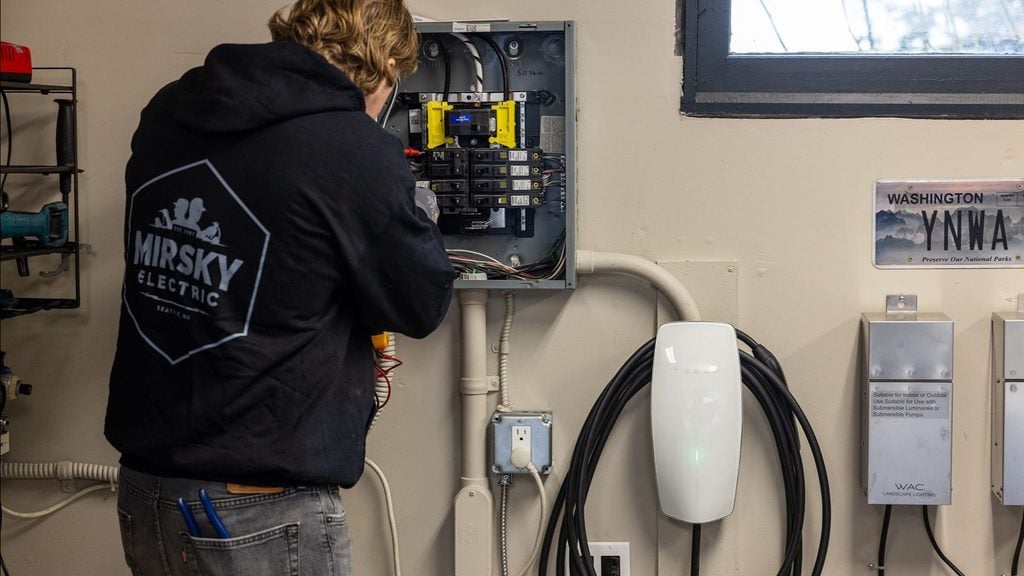
Some electrical panels simply aren’t designed to accommodate tandem breakers, while others may only allow them to be installed in specific slots within the panel. Using an incompatible breaker or installing one in an unapproved position can compromise the panel’s intended safety protections.
An electrician will know how to read the panel’s labels or documentation to determine whether a tandem breaker is compatible and, if so, which type of breaker is the right fit.
They Don’t Increase Electrical Capacity
While a tandem breaker gives you another circuit, it doesn’t give your home more available amperage.
Think of it this way: your electrical panel has both a physical layout and an electrical capacity. Tandem breakers can help with the first issue, but they don’t solve the second.
If your existing system is already carrying a heavy load, adding another circuit without evaluating that load can create problems. This is especially relevant if you’re planning to install high-demand equipment, such as an EV charger, an electric range, or a new heating and cooling system. These additions may require dedicated circuits and a closer look at your home’s available electrical capacity.
Depending on your home’s needs, an electrician may recommend an electrical panel upgrade or a subpanel instead.
They May Not Work for Every Type of Circuit
Standard tandem breakers generally serve two separate 120-volt circuits. They aren’t interchangeable with two-pole breakers used for many 240-volt appliances and other equipment.
You also need to account for any required ground-fault circuit interrupter (GFCI) or arc-fault circuit interrupter (AFCI) protection. Depending on the circuit and applicable electrical code, a standard tandem breaker may not provide the protection the installation requires.
An electrician can determine which breaker configuration and safety features the new circuit needs. The same considerations apply when installing dedicated circuits for high-powered appliances, where the equipment’s electrical requirements help determine the appropriate setup.
They Can Mask a Bigger Electrical Problem
If your panel is consistently running out of space, an electrician should look beyond the immediate need for another breaker.
Your home may have an older panel that wasn’t designed for today’s electrical demands, particularly if you’ve added appliances, remodeled rooms, or installed new equipment over the years. In other cases, the panel may be perfectly adequate, and a tandem breaker may be all you need.
The key is to identify why you’re running out of room before deciding how to solve the problem. Other warning signs, such as frequent breaker trips, may indicate an overloaded circuit or another electrical issue that needs attention.
Are Tandem Breakers Safe?
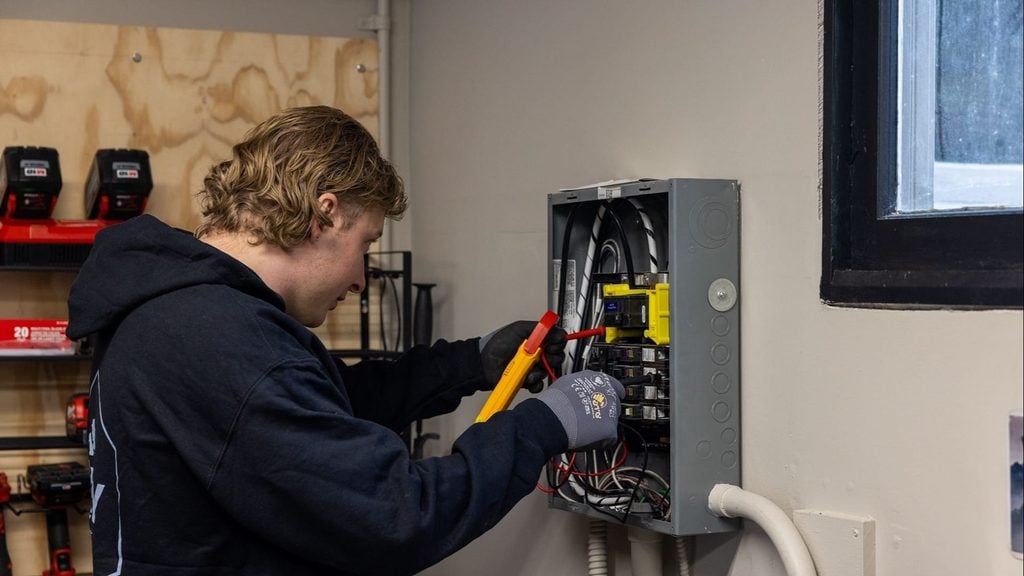
Yes, tandem breakers can be safe when they’re designed for the panel, installed in an approved position, and used within the system’s electrical limits. The concern isn’t that tandem breakers are inherently unsafe. It’s that using the wrong breaker or installing one incorrectly can create a hazard.
Before adding a tandem breaker, an electrician should verify several things:
- Panel compatibility: The panel manufacturer approves the specific breaker type.
- Approved position: The panel allows tandem breakers in the intended slot.
- Electrical capacity: The panel and service can support the home’s calculated electrical load.
- Circuit requirements: The new circuit has the correct breaker rating and any required AFCI or GFCI protection.
- Code compliance: The installation meets applicable electrical code and permitting requirements.
These checks help ensure that adding a circuit doesn’t compromise the safety or reliability of your electrical system.
It’s also important to take warning signs seriously. If your breakers trip frequently, or you notice burning smells, buzzing, scorch marks, or unusual heat around your electrical panel, don’t assume a tandem breaker will solve the problem. A qualified electrician should investigate the cause. Similarly, if an electrical outlet stops working even though its breaker hasn’t tripped, the issue may involve a faulty outlet, a loose connection, or another problem that requires diagnosis.
What Are the Alternatives to Tandem Breakers?
If your panel doesn’t accept tandem breakers, or if your home needs more electrical capacity, an electrician may recommend other options that make more sense.
Electrical Panel Upgrade
Replacing your existing panel can provide more breaker spaces and, when the project includes an appropriate service upgrade, greater electrical capacity. This may be the better long-term solution if your panel is outdated, damaged, or no longer suited to your home’s needs.
For homeowners interested in monitoring electricity use as well as managing circuits, a SPAN smart electrical panel is another option to consider. It replaces a traditional panel and adds features such as circuit-level energy monitoring, although it isn’t necessary for every home.
Subpanel Installation
A subpanel provides additional breaker spaces while connecting to your existing electrical system. It can be useful for a home addition, workshop, or other project that needs several new circuits.
However, a subpanel doesn’t automatically increase the total amount of power available to your home. The existing service must still be able to support the additional demand.
Reworking the Existing Circuit Layout
In some cases, an electrician may find that changes to the existing circuit layout can address the problem. That doesn’t mean combining circuits or moving breakers is always appropriate, but it may be possible to reorganize the panel as part of a broader electrical assessment.
The best option depends on your panel, your home’s current electrical load, and what you’re planning to add.
Need to Add a Circuit to Your Electrical Panel?
If your electrical panel is running out of space, a tandem breaker might be a practical solution. However, the right approach depends on your panel’s compatibility, your home’s electrical capacity, and the requirements of the new circuit.
One of our licensed electricians can inspect your panel and determine whether a tandem breaker is appropriate. We’re happy to recommend alternatives if you need more room or electrical capacity, because we share a common goal: adding the circuits your home needs without compromising safety.
Need help with your electrical panel? Mirsky Electric provides professional electrical services for homeowners in the Seattle area. Contact Mirsky Electric to discuss your project and find the right solution for your home.