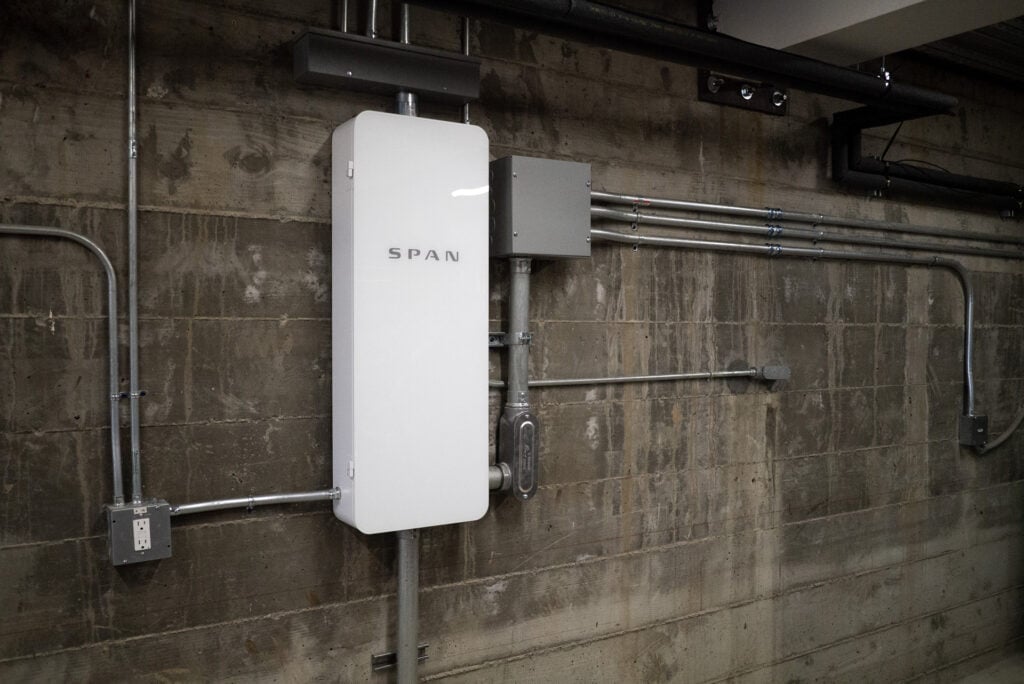
A GFCI outlet that isn’t working can leave part of your home without power and may signal something more serious behind the wall. These outlets are designed to improve electrical safety, so when they stop functioning, it’s often a sign of moisture, wiring issues, or an aging electrical system.
In this guide, you’ll learn how to recognize when a GFCI outlet has stopped working, what common issues might be causing it, and when to call a licensed electrician for help. Whether the outlet refuses to reset or keeps tripping without reason, understanding the warning signs can help prevent electrical hazards and keep your home safe.
What Is a Ground Fault Circuit Interrupter and How Does It Protect Your Home?
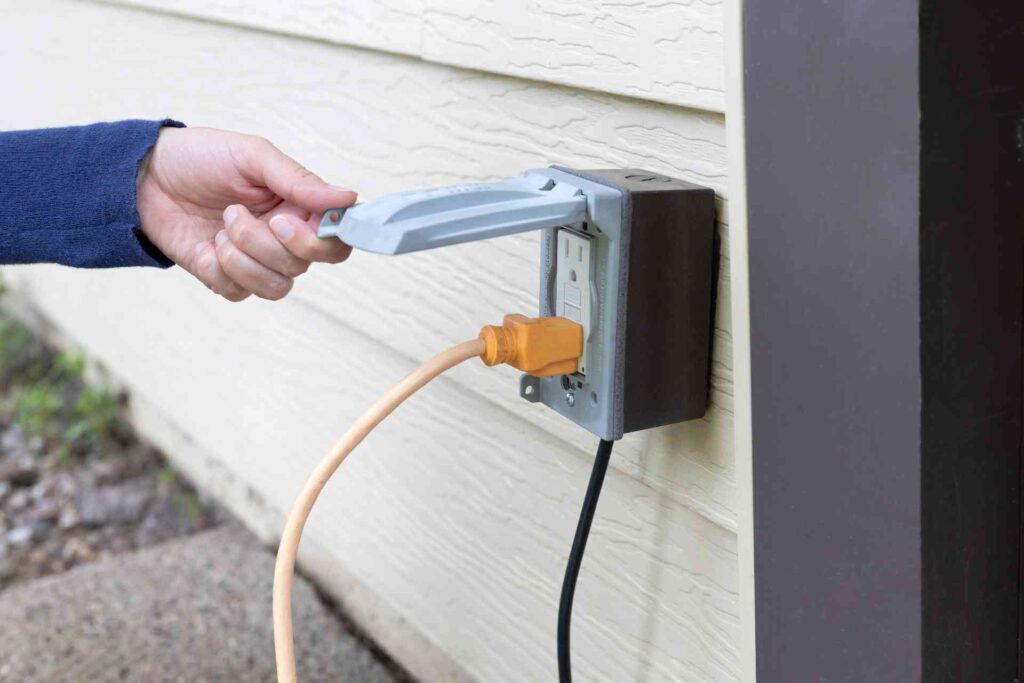
A GFCI outlet, short for ground fault circuit interrupter, is a safety device designed to prevent electrical shock. It constantly monitors the flow of electricity between the hot and neutral wires. If it detects even a tiny imbalance, such as electricity being conducted through water or a person, it shuts off the power supply in a fraction of a second.
A properly functioning GFCI outlet reduces the risk of serious injury and electrical fires, making it an essential part of modern electrical safety. By cutting off power the instant it detects a fault, it prevents dangerous electrical current from flowing through a person or water source. These outlets are required by code in areas where electricity and moisture can meet, such as bathrooms, kitchens, garages, laundry rooms, and basements. In outdoor areas and garages with repeated exposure to moisture, GFCI outlets also help prevent fires that can start when moisture seeps into cords or connections.
Whether you’re plugging in garden tools, charging a device, or using power equipment, a working GFCI outlet ensures that your home’s electrical system reacts before a minor issue becomes a life-threatening one.
How to Tell When a GFCI Outlet Isn’t Working
A GFCI outlet can stop working in several ways, and not all of them are immediately obvious. The most common sign is that anything plugged into it no longer powers on, even after a GFCI outlet reset. Sometimes, the outlet’s indicator light will be off or glowing red, showing it’s tripped or malfunctioning.
Another clue is that other outlets nearby have lost power. In many homes, a single GFCI outlet protects multiple outlets on the same circuit, so if one fails, several may stop working at once. You might also notice that the Test and Reset buttons feel loose or unresponsive when pressed. While this can indicate wear or internal damage, the outlet may still deliver power temporarily, which can make the issue easy to overlook.
If your outlet shows any of these signs, it’s best to assume the problem could involve more than just the outlet itself. Power loss, flickering lights, or repeated tripping can point to a larger issue that needs to be checked by a licensed electrician.
Common Reasons a GFCI Outlet Stops Working
When a GFCI outlet is not working, the problem can range from something simple to a sign of a deeper electrical issue. Understanding the most common causes helps determine whether a quick reset will solve the problem or if professional repair is needed. Here are some of the most frequent reasons a GFCI outlet stops working:
- Tripped circuit breaker: A breaker that has shut off power to the circuit will prevent the GFCI outlet from functioning until it is reset.
- Another GFCI outlet on the same circuit has tripped: In some homes, one GFCI outlet protects several others connected to it. If the first outlet in the circuit, known as the upstream GFCI, has tripped, the ones connected to it will lose power until it’s reset.
- Moisture or debris in the outlet: Dampness, dirt, or dust buildup can interrupt electrical flow and trigger the outlet’s safety mechanism.
- Damaged wiring or loose connections: Wires can loosen over time from vibration, temperature changes, or poor installation, leading to intermittent or complete power loss.
- Worn-out or defective outlet: GFCI outlets can wear out after years of use, and an outlet that trips frequently or fails to reset may need replacement.
- Ground fault from an appliance: A damaged or malfunctioning appliance can cause electricity to flow along an unintended path, triggering the GFCI to shut off power for safety.
- Overloaded circuit: Plugging too many devices into one circuit can strain the system and cause the GFCI or breaker to trip.
- Neutral or ground fault in wiring: Hidden damage in walls or conduits can disrupt current flow and prevent the outlet from working properly.
- Improper installation: If line and load terminals were reversed during installation, the GFCI may appear to work initially but fail to reset or protect downstream outlets.
Even when the cause seems small, an outlet that fails repeatedly or shows signs of wear should always be inspected by a qualified electrician to prevent future safety hazards.
Safe Steps to Try Before Calling an Electrician
While it’s best to leave electrical repairs to professionals, there are a few safe checks you can perform if a GFCI outlet is not working. These steps help rule out simple issues before scheduling a service visit.
- Press the Reset button: Firmly press the Reset button on the outlet. If it clicks and restores power, the issue may have been a temporary trip. If it will not reset or immediately trips again, stop there and call a licensed electrician.
- Check nearby outlets: Test other outlets on the same wall or in the same room. If several are not working, an upstream GFCI or breaker may have tripped.
- Inspect for a tripped breaker: Go to your electrical panel and look for any breakers that are in the middle or off position. Flip them fully off, then back on to restore power.
- Unplug all devices: A faulty appliance or tool can cause a GFCI to trip. Unplug everything from the affected circuit, then press Reset again.
- Check for visible moisture or damage: If the outlet is wet, cracked, or shows burn marks, do not touch it. Turn off the breaker immediately and contact an electrician.
If the outlet still does not work after these steps, the problem is likely inside the wiring or electrical panel and requires professional troubleshooting.
When to Call an Electrician for a Faulty GFCI Outlet or Circuit Breaker
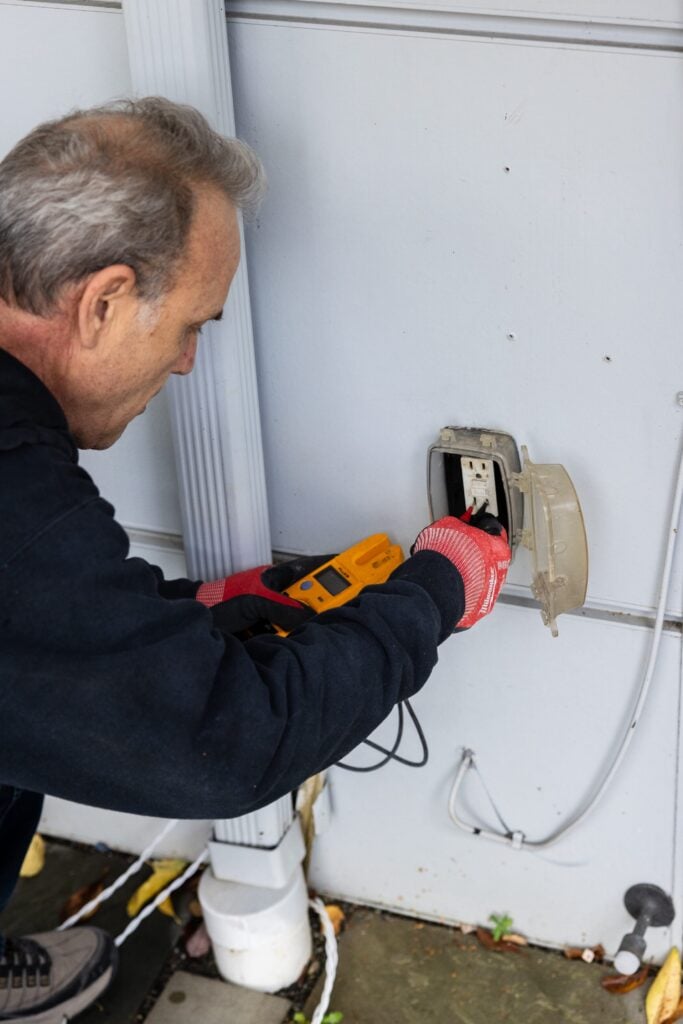
If a GFCI outlet is not working after basic checks, it’s time to call a licensed electrician. These components are critical to your home’s electrical safety, and repeated failure or unresponsive behavior often points to a deeper issue within the wiring or electrical panel. You should schedule professional service if:
- The Reset button will not stay engaged, or the outlet immediately trips again.
- Multiple outlets or rooms have lost power, suggesting a wiring problem or circuit issue.
- You notice burn marks, buzzing, or warmth around the outlet.
- The GFCI outlet frequently trips without any clear cause.
- You have an older electrical system or aluminum wiring that has not been inspected in years.
An electrician will have the right testing equipment to locate wiring faults, check for proper grounding, and ensure the outlet and circuit meet safety codes. Calling a professional not only restores power but also prevents potential shock hazards and future electrical failures.
How an Electrician Can Fix a Nonworking GFCI Outlet
When a GFCI outlet is not working, an electrician begins by testing the circuit to determine whether the outlet is receiving power. They use specialized equipment to measure voltage, identify wiring faults, and verify that the line and load terminals are properly connected. If another GFCI is upstream, it will also be inspected to see if it’s cutting power further down the circuit.
Depending on what they find, several solutions may be needed. A faulty outlet might be replaced with a new, code-compliant unit. Loose or corroded connections are tightened or resecured, and damaged wires are repaired or rerouted for proper grounding. If moisture or outdoor exposure caused the failure, the electrician may install a weather-resistant GFCI or upgrade the outlet cover. In some cases, a tripped or weak breaker may also need replacement to restore reliable power.
Professional repair ensures that the entire circuit functions properly and that all electrical components are properly grounded and up to code, protecting your home and everyone in it.
Keep Your Home Safe and Up to Code
A GFCI outlet that isn’t working is a warning sign that your home’s electrical system needs attention. These outlets play a crucial role in preventing electrical shock and protecting your family, especially in areas prone to moisture. When one fails, it’s best to have it inspected quickly to avoid larger electrical hazards.
If you live in the Seattle area and your GFCI outlets aren’t working, contact Mirsky Electric for professional troubleshooting and repair. Our licensed electricians inspect your system, identify the cause, and provide the necessary electrical services, ensuring everything is installed correctly to keep your home safe and code-compliant.